
Únete a getAbstract para acceder al resumen.
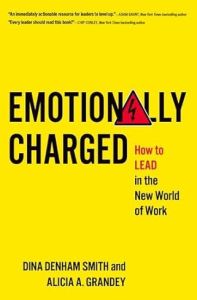
Únete a getAbstract para acceder al resumen.
Dina Denham Smith and Alicia Grandey
Emotionally Charged
How to Lead in the New World of Work
Oxford UP, 2025
¿De qué se trata?
“Work is emotional because work matters.”


Summary availability: Worldwide
Recommendation
Leaders generally discourage emotions at work, insisting that feelings and logic are incompatible. But research says otherwise, because emotions inform decisions and shape interactions. As people seek meaningful work, they need leaders who can engage emotionally. To prioritize engagement while maintaining a budget, leaders must understand “emotional labor,” the value of emotions at work, and the health costs of suppressing emotions. Amid intrusive technolgy and the tensions around DEI, leaders must be empathetic and authentic. To respond to that need, leadership experts Dina Denham Smith and Alicia Grandey provide emotion-related tools that can help foster better workplace relations and enhance employees’ well-being.
Summary
About the Authors
Dina Denham Smith is the founder and CEO of Cognitas. Alicia A. Grandey, PhD, is a professor in Pennsylvania State University’s industrial-organizational psychology program.
Learners who read this summary also read
Related Skills






















Comment on this summary