

Libro
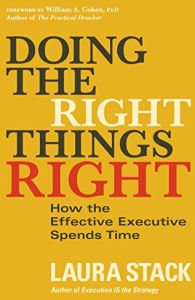
Hacer bien las cosas correctas
Cómo el ejecutivo eficaz invierte el tiempo


1×
Melden Sie sich an, um die Audiozusammenfassung anzuhören.



Klicken Sie mit der rechten Maustaste auf den Code, um das Bild zu kopieren.
Hinweis: Bei ASP-Portalen ist der Link hinter dem Code portalspezifisch!
Reseña
En 1967, Peter Drucker, padre de la gestión moderna, publicó El ejecutivo eficaz: La guía definitiva para lograr hacer las cosas correctas. La obra más vendida de Drucker, que sistematizó la productividad empresarial, sigue siendo un clásico respetado y popular. Sin embargo, algunos de los conceptos de Drucker son más tradicionales que modernos. La asesora en productividad Laura Stack retoma esta reflexión y ofrece una perspectiva nueva en su suplemento al manual indispensable de Drucker. La autora presenta tres funciones de liderazgo –el pensamiento estratégico, el enfoque en el equipo y el trabajo táctico– a modo de categorías para organizar 12 metas fundamentales de la gestión. Stack describe porqué y cómo los ejecutivos deben actuar de maneras eficientes y eficaces. getAbstract recomienda su actualización a todos los ejecutivos; categoría que, en su opinión, incluye a toda aquella persona que toma decisiones importantes.
Resumen
Sobre la autora
Laura Stack fundó la consultoría The Productivity Pro. Entre sus otros libros se encuentran Qué hacer cuando hay mucho por hacer y Execution Is the Strategy.
Más sobre esto
De la misma autora
Los clientes que leyeron este resumen también leyeron
Skills Relacionados

Advance Your Career

Be Emotionally Intelligent

Become a Self-Driven Learner

Career

Corporate Finances

Develop a Business Plan

Develop Innovative Products

Digital Transformation

Future of Work

Drive Investments and M&A

Enhance Cybersecurity

Entrepreneurship

Human Resources

Lead Operational Planning

Manage Corporate Communications

Manage Learning and Development

Manage Risk

Marketing

Master Interpersonal Skills

Optimize Workforce Performance

Plan Your Career

Promote Diversity, Equity, and Inclusion

Sales

Shape Organizational Culture

Understand Organizations

Communicate Effectively

Define Roles

Mentor Employees

Promote Creativity

Create a Sense of Belonging

Delegate Effectively

Tech Impact on Work

Execute Digital Operations

Lead Mergers and Acquisitions

Manage Your Emotions

Offer Flexible Work Arrangements

Set Boundaries

Streamline Your Workflow

Build Your Resilience

Cultivate Curiosity

Develop Leaders

Drive Organizational Performance

Facilitate Discussions

Innovate Strategically

Make Data-Driven Decisions

Manage Performance

Manage Project Timelines

Retain Employees

Support Team Members’ Careers

Understand Innovation

Understand Leadership Approaches

Understand Organizational Change

Understand Team Dynamics

Work Remotely

Apply Open Innovation

Avoid Procrastination

Be Creative

Build an Inclusive Culture

Cultivate Self-Discipline

Define Purpose, Vision, and Mission

Develop Your Thinking Skills

Enhance Employee Experience

Manage Employee Relations

Motivate Yourself

Navigate Leadership Challenges

Plan and Strategize Your Sales

Soft Skills

Strengthen Your Digital Literacy

Lead Ethically

Live Intentionally

Promote a Learning Culture

Pursue Lifelong Learning

Set Career Goals

Engage in Intrapreneurship

Management

Be Coachable

Communicate Strategically

Enable Digital Organization

Ensure Accountability in Teams

Lead Yourself

Manage Team Boundaries

Plan and Execute Projects

Build Digital Culture

Coach People

Executive Leadership Case Studies

Lead Remote or Hybrid Teams

Leverage HR Technology

Master Digital Tools

Build and Maintain Well-Being

Communicate Clearly

Practice Humility

Dare to be Vulnerable

Drive Project Management

Manage Up

Master Collaboration

Understand Motivation

Build Team Cohesion

Manage Crises

Develop the Organization

Live Well

Navigate Uncertainty

Personal Growth

Strengthen Team Collaboration

Drive Employee Engagement

Manage Change

Decide Under Uncertainty

Foster Ownership in Others

Lead through Change

Lead Through Crises

Champion New Ideas

Improve Your Mental Health

Manage Teams and Departments

Manage Your Leadership Impact

Lead Inclusively

Master Prioritization

Workplace Skills

Develop Team Members

Improve Team Performance

Manage Sales Teams

Translate Strategy into Action

Build Security Culture

Leadership

Make Good Decisions

Communicate Corporate Strategy

Communicate Transparently

Define Core Values

Leverage Ambidexterity

Manage Team Communication

Encourage Experimentation

Promote Failure-tolerance

Set Business Goals

Foster a Culture of Innovation

Innovation

Pursue Excellence

Take Group Decisions

Drive Team Performance

Build Psychological Safety

Cultivate Positivity

Maintain Work-Life Balance

Practice Servant Leadership

Set and Achieve Goals

Manage People and Talent

Motivate Your Team

Become More Productive

Practice Transformational Leadership

Build a Shared Vision

Foster Collaboration

Lead Strategically

Set Team Goals

Foster Open Communication

Plan Strategically

Become More Adaptable

Communicate Corporate Purpose

Foster Team Culture

Embrace Change

Cultivate a Growth Mindset

Executive Leadership

Manage Your Time

Think Strategically

Cultivate Flexibility

Enhance Team Agility

Implement Agility

Comentarios sobre este resumen