Skip navigation
How the Future Works
Book

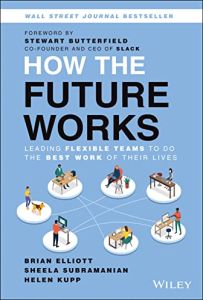
How the Future Works

Leading Flexible Teams To Do The Best Work of Their Lives

Wiley, 2022 more...

Buy the book


Editorial Rating

9

getAbstract Rating

  • Well Structured
  • Visionary
  • Concrete Examples

Recommendation

The COVID pandemic’s lockdowns compromised companies globally. The world of business had to continue, so people began to work from home and set their own schedules. Employees loved these new arrangements. Remote work became many people’s preference, and teams began to function as remote or hybrid collectives. An ad hoc solution that began as a response to an emergency is now how business gets done. Brian Elliott, Sheela Subramanian and Helen Kupp explore how companies can manage this new world of work with flexibility and effectiveness. They advocate continuing collaboration between employers and employees post pandemic, and show how flexible teamwork can prevail.

Summary

Traditional office work is obsolete.

Flexible work arrangements allowing employees to work remotely with independent schedules were once a privilege only for top performers – if even for them.Most organizations wanted employees to work in local offices and follow rigid schedules. That’s how things had always been. 

Management thinkers believed office work fostered collaboration and enabled employees to benefit from each other’s knowledge and experience. Wouldn’t productivity, innovation and profits suffer if employees didn’t work together? How could managers supervise workers who didn’t share the same office?

Then, in 2019, COVID-19 changed everything. It quickly shut down offices and millions of employees began to work from home. Did productivity suffer? In fact, the new flexible work model increased productivity. Creativity and innovation flourished

Today, many employees love the independence of working from home. Recruiting has never been easier. For organizations, this means accepting significant change – and it remains unlikely work will ever entirely return to its...

About the Authors

Brian Elliott is a senior vice president at Future Forum, a Slack consortium.  Sheela Subramanian is a VP at Future Forum, where Helen Kupp is senior director of product strategy and partnerships.  


Comment on this summary

More on this topic

Related Skills

Be Creative
Develop the Organization
Digital Transformation
Future of Work
Execute Digital Operations
Executive Leadership
Human Resources
Innovate Strategically
Innovation
Lead Ethically
Leadership
Manage Learning and Development
Manage People and Talent
Management
Master Collaboration
Master Interpersonal Skills
Navigate Leadership Challenges
Personal Growth
Promote Diversity, Equity, and Inclusion
Soft Skills
Understand Innovation
Understand Organizations
Workplace Skills
Lead Yourself
Cultivate a Growth Mindset
Foster Open Communication
Encourage Experimentation
Enhance Physical Workspace Design
Promote Disability Inclusion
Drive Team Performance
Shape Organizational Culture
Foster Team Culture
Optimize Workforce Performance
Understand Organizational Change
Live Well
Strengthen Team Collaboration
Create a Sense of Belonging
Overcome Challenges
Build and Maintain Well-Being
Promote a Learning Culture
Manage Change
Lead Remote or Hybrid Teams
Foster Collaboration
Leverage Employee Resource Groups
Promote Neuro-Inclusion
Dare to be Vulnerable
Foster a Culture of Innovation
Practice Transformational Leadership
Cultivate Flexibility
Navigate Uncertainty
Be Authentic
Leverage Ambidexterity
Age Well
Get Physically Fit
Lead through Change
Facilitate Group Ideation
Promote LGBTQ+ Inclusion
Lead Inclusively
Promote Gender Inclusion
Practice Servant Leadership
Enhance Team Agility
Enhance Employee Experience
Become More Adaptable
Support Employees’ Well-being
Maintain Work-Life Balance
Build Psychological Safety
Build an Inclusive Culture
Implement Agility
Offer Flexible Work Arrangements
Work Remotely
Embrace Change
New Work Models