
Join getAbstract to access the summary!
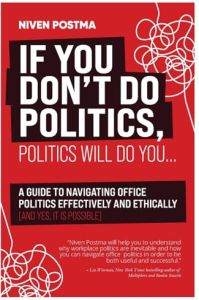
Join getAbstract to access the summary!
Niven Postma
If You Don’t Do Politics, Politics Will Do You
A Guide to Navigating Office Politics Effectively and Ethically
Niven Postma, 2025
What's inside?
Ignoring office politics won’t make them disappear. Learn how to leverage your influence without compromising your values.


Summary availability: Worldwide
Recommendation
Trying to circumvent office politics is a futile exercise with no upside, says leadership consultant and ex-CEO Niven Postma. All workplaces are inherently political, but you can learn to understand and use influence without compromising who you are. In this practical primer, Postma compiles existing research and draws on her own executive experience to write the book she wished she had read at the beginning of her career. She explains how to engage in “good politics” while building a purpose-driven life that lifts others up along the way. Discover how to expand your influence, sharpen your political intelligence, and align your political strategy with your values.
Summary
About the Author
Global adviser and consultant Niven Postma contributes to Harvard Business Review and is a tutor at Cambridge University’s Institute for Sustainability Leadership.


Comment on this summary