Skip navigation
Influence and Impact
Book

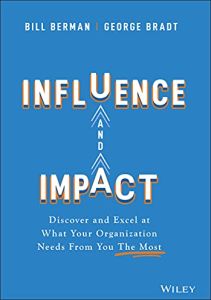
Influence and Impact

Discover and Excel at What Your Organization Needs from You the Most

Wiley, 2021 more...

Buy the book


Editorial Rating

8

getAbstract Rating

  • Analytical
  • Well Structured
  • Concrete Examples

Recommendation

Many outstanding leaders don’t get the acclaim they deserve. Bill Berman and George Bradt explain that these leaders may fail to put the necessary level of energy into important parts of their careers or they act in a way that doesn’t sync with their corporate culture. To increase your status and prominence, clarify your reasons for working and your mission. Understand why certain people or events require your presence, realize why you’re necessary and then apply that insight to earn the respect you deserve.

Summary

Many skillful managers and leaders do not get acclaim and esteem for their work.

In the best cases, executives and employees find satisfaction in doing their part to shape their organization’s behavior. But, quite often, leaders and managers find they can’t influence their colleagues’ actions and choices. They sense that people don’t respect them enough, but they don’t know what to do about it.

Managers at all levels may be confused about which aspects of their jobs they should consider vital. As a result, they might neglect putting the requisite energy into the parts of their career that matter most. Or they could do the right work and still act in a way that is out of sync with their company culture.

For example, Ian worked in a bank where everyone dressed formally. He dressed casually, not realizing that this made it hard for him to influence other bankers. Fortunately, his mentor, a senior executive, gave him a promotion, but he also told Ian to scrap his casual wardrobe. He took him shopping for a suit, so he could “look the part.” 

Managers need to know what ...

About the Authors

Bill Berman established and heads Berman Leadership Development. George Bradt is chairman of PrimeGenesis, which specializes in executive and team onboarding.


Comment on this summary

More on this topic

Related Skills

Be Emotionally Intelligent
Become More Adaptable
Build and Maintain Well-Being
Build Confidence
Communicate Effectively
Convert Prospects
Develop a Business Plan
Develop Team Members
Develop Your Thinking Skills
Drive Team Performance
Foster Team Culture
Generate and Qualify Leads
Human Resources
Lead Ethically
Lead Operational Planning
Manage Corporate Communications
Manage Teams and Departments
Marketing
Master Collaboration
Place Talent Strategically
Plan Strategically
Sales
Search for a Job
Workplace Skills
Set Boundaries
Think Strategically
Craft a Personal Elevator Pitch
Explore Specialist Career Paths
Motivate Yourself
Drive Change Without Authority
Maintain Work-Life Balance
Management
Set and Achieve Goals
Lead Strategically
Live Well
Overcome Challenges
Understand Organizations
Manage Your Time
Become a Mentee
Mentor Employees
Cultivate a Growth Mindset
Gain People's Trust
Identify Prospects' Needs
Soft Skills
Understand Yourself
Enhance Employee Experience
Influence Others
Understand Organizational Culture
Advance as a Woman Leader
Leverage Your Strengths
Work Abroad
Become a Self-Driven Learner
Embrace Challenges
Practice Transformational Leadership
Navigate Workplace Culture
Build Your Resilience
Identify Your Development Needs
Practice Servant Leadership
Define Purpose, Vision, and Mission
Entrepreneurship
Cultivate Curiosity
Master B2B Sales
Develop Self-Mastery
Career
Communicate Corporate Purpose
Manage People and Talent
Practice Self-Care
Support Internal Mobility
Create Career Pathways
Live Intentionally
Communicate Strategically
Build Your Presence
Set Career Goals
Shape Organizational Culture
Develop Self-Awareness
Plan Your Career
Support Team Members’ Careers
Be Authentic
Pursue Lifelong Learning
Communicate Corporate Strategy
Manage Your Personal Reputation
Become More Productive
Network Strategically
Master Interpersonal Skills
Find Meaning
Take Personal Accountability
Manage Your Leadership Impact
Lead Yourself
Manage Up
Personal Growth
Drive Organizational Performance
Engage in Job Crafting
Enhance Your Skill Set
Adopt a Learning Habit
Advance Your Career
Cultivate Self-Discipline
Develop Your Personal Brand
Navigate Office Politics
Set Business Goals
Identify Your Strengths
Build Useful Habits
Engage in Intrapreneurship
Translate Strategy into Action
Executive Leadership
Succeed in a New Job
Leadership
Assess Your Skillset
Find Your Purpose