Skip navigation
Lessons on Leadership
Book

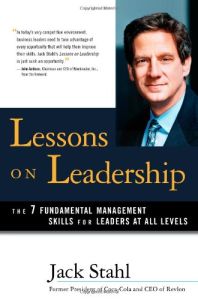
Lessons on Leadership

The 7 Fundamental Management Skills for Leaders at All Levels

Kaplan Publishing, 2007 more...

Buy the book


Editorial Rating

6

getAbstract Rating

  • Applicable

Recommendation

Jack Stahl worked for The Coca-Cola Company for 22 years, some of them as president. He was CEO of Revlon for five years. When it comes to leading businesses, he knows his stuff. In his book, he discusses mastering “seven frameworks” of executive leadership. He builds a strong case that corporate leaders need these “core skills.” Unfortunately, some of his prescriptions come across as elementary overviews, not concrete lessons. For example, to illustrate the need for clear corporate goals, he explains that he and his executive team set Revlon’s corporate goal as: “delivering the promise of beauty” to “consumers, customers, employees and shareowners.” Stahl says that, to shareholders, the promise of beauty meant “profitability” and “value.” The rhetoric is appealing, but it’s not very innovative: Readers know that all shareholders want to be part of a profitable business. However, getAbstract finds that the majority of the book is useful and on target. It is well-organized and carefully outlined. It solidly covers leadership basics and includes numerous useful examples. As a savvy, seasoned corporate leader, Stahl has a lot to teach. And he teaches much – but probably not all – of it in these pages.

Summary

The “Seven Frameworks” of Leadership

What is the best way to lead? First, consider your goals. You want to enhance your company’s capabilities and create a sound business strategy, produce and sell the best merchandise or services, and succeed at managing people, planning, communicating and making a profit. Strong executive leadership is a skill you can build. It depends on seven basic “frameworks” – core management capabilities and skills that any corporate leader must have. They are:

“Framework 1 – Leadership and Management”

Your company needs a clear goal or destination. Include the other people in your organization in the process of developing this objective. Listen to your colleagues. Know precisely how they feel. Then work with them to identify the overall results and returns you want for your enterprise. Quantify everything you hope to achieve to make it concrete. Establish a coherent strategy. To work, it must galvanize and motivate your employees. It should reflect clear choices regarding all of your organization’s options as it travels the road to fulfilling its goals and ambitions. Be bold in setting objectives. People will work overtime to win first...

About the Author

Jack Stahl is the past president of The Coca-Cola Company, and past president and CEO of Revlon, both Fortune 500 companies. He holds a master’s degree from the Wharton School of Business at the University of Pennsylvania.


Comment on this summary

More on this topic

Related Skills

AI Transformation
Attract and Recruit Talent
Be Emotionally Intelligent
Become a Self-Driven Learner
Become More Adaptable
Become More Productive
Build Confidence
Career
Communicate Effectively
Develop Financial Literacy
Develop Innovative Products
Digital Transformation
Drive AI Transformation
Drive Investments and M&A
Entrepreneurship
Execute Digital Operations
Generate and Qualify Leads
Innovation
Lead Ethically
Live Well
Manage Corporate Communications
Manage Financial Risks
Manage Learning and Development
Manage Product Innovation
Manage Teams and Departments
Marketing
Master Collaboration
Optimize Workforce Performance
Promote Diversity, Equity, and Inclusion
Search for a Job
Shape Organizational Culture
Workplace Skills
Promote Gender Inclusion
Enhance Customer Experience
Ensure Business Continuity
Personal Growth
Create Career Pathways
Strengthen Team Collaboration
Succeed as an Entrepreneur
Define Core Values
Build Your Presence
Build Your Startup
Engage in Intrapreneurship
Advance as a Woman Leader
Coach People
Develop Your Thinking Skills
Soft Skills
Foster a Culture of Innovation
Implement Agility
Lead through Change
Manage Investment Portfolio
Find Meaning
Sales
Master Interpersonal Skills
Provide Feedback
Allocate Resources
Drive Project Management
Set and Track KPIs
Champion New Ideas
Innovate Strategically
Leverage AI for Leadership
Support Employees’ Well-being
Lead Yourself
Master Budgeting
Sell to Government Buyers
Develop Financial Plans
Develop Your Sales Pipeline
Manage Sales Stakeholders
Manage Change
Manage Performance
Manage Up
Plan Strategically
Plan Your Career
Understand Motivation
Develop Team Members
Define Product Strategy
Human Resources
Adopt a Learning Habit
Foster Team Culture
Identify Customer Needs
Set Team Goals
Drive Employee Engagement
Manage Sales Teams
Build a Shared Vision
Navigate Leadership Challenges
Promote Customer Centricity
Think Strategically
Translate Strategy into Action
Foster Ownership in Others
Understand Organizations
Manage Risk
Set Career Goals
Develop Self-Awareness
Leverage Employee Resource Groups
Define Product Vision
Master Marketing Strategy
Use AI for Coaching and Development
Build Psychological Safety
Develop the Organization
Leverage Your Strengths
Practice Servant Leadership
Conduct Performance Reviews
Develop Leaders
Advance Your Career
Plan and Strategize Your Sales
Communicate Strategically
Cultivate a Growth Mindset
Drive Organizational Performance
Build Your Employer Brand
Support Internal Mobility
Implement Executive Coaching
Plan and Execute Projects
Set AI Vision & Strategy
Develop Self-Mastery
Use CRM Tools Effectively
Communicate Corporate Purpose
Practice Transformational Leadership
Corporate Finances
Drive Change Without Authority
Executive Leadership Case Studies
Manage Your Accounts
Strategize Digital Transformation
Define Digital Strategy
Retain Customers
Lead Strategically
Enhance Employee Experience
Influence Others
Manage Your Leadership Impact
Plan Financial Performance
Deliver Exceptional Service
Ensure Liquidity
Management
Persuade Effectively
Create a Hiring Strategy
Place Talent Strategically
Support Team Members’ Careers
Lead Operational Planning
Manage Cash Flow
Manage Employee Relations
Understand Leadership Approaches
Optimize Capital Structure
Develop Your Personal Brand
Promote a Learning Culture
Manage Talent
Set and Achieve Goals
Drive Team Performance
Leadership
Manage Customer Accounts
Manage Post-Sale Relationships
Master Branding
Develop a Business Plan
Executive Leadership
Mentor Employees
Manage People and Talent
Master B2B Sales
Manage Key Accounts
Master Positioning
Define Purpose, Vision, and Mission
Manage Capital
Communicate Corporate Strategy
Set Business Goals