Skip navigation
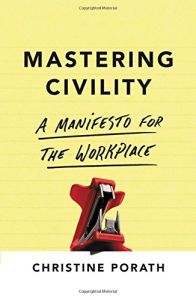
Mastering Civility
Book

Mastering Civility

A Manifesto for the Workplace

Grand Central, 2016 more...

Buy the book


Editorial Rating

8

getAbstract Rating

  • Comprehensive
  • Innovative
  • Applicable

Recommendation

How people treat each other matters. “Incivility” in the workplace is rampant and worsening. Organizations that ignore or allow bullying, rudeness, and other disrespectful behaviors suffer lost productivity and employee disengagement. Management professor Christine Porath conducted extensive research on workplace “civility,” surveying thousands of people worldwide in organizations large and small. Porath designed her practical guide for leaders who want to infuse civility into their corporate cultures and for individuals striving to exert a more positive influence. getAbstract recommends this manual on workplace relations to HR professionals, leaders, small-business owners and everyone whose mom already told them to be nice.

Summary

The Growing Loss of Workplace “Civility”

Imagine this scenario: An entertainment company decides layoffs are necessary. As the vice president breaks the news to a loyal employee, the general manager works nearby with his feet propped on the table, ignoring the exchange and expressing no empathy toward the worker. Such displays of rude behavior makes people feel slighted, ignored and disrespected.

Unfortunately, rudeness is on the rise. In the “Civility in America 2016” survey, 95% of respondents said “incivility” is a major problem in the United States. Workplace incivility takes many forms: making calls or texting during meetings, yelling at employees, belittling or heckling subordinates, taking credit for someone else’s work or ideas, and undermining other people’s efforts. Often, people are uncivil when they’re tired or stressed. Generally, they’re not aware of how their actions affect others. Yet, unintentional rudeness is also destructive. When someone feels hurt, it doesn’t matter if the precipitating behavior wasn’t deliberate.

Certain trends have caused incivility to increase since 1998. Globalization brings people from different cultures...

About the Author

Georgetown University associate professor of management Christine Porath consults with organizations on civility.   


Comment on this summary

More on this topic

Related Skills

Become a Self-Driven Learner
Become More Adaptable
Career
Develop Team Members
Foster a Culture of Innovation
Foster Team Culture
Human Resources
Increase Your Cultural Awareness
Innovation
Lead Ethically
Live Well
Management
Master Collaboration
Promote Diversity, Equity, and Inclusion
Shape Organizational Culture
Strengthen Team Collaboration
Workplace Skills
Manage Your Personal Reputation
Communicate Across Cultures
Navigate Difficult Conversations
Facilitate Discussions
Foster Open Communication
Advance Your Career
Resolve Conflicts
Enhance Employee Experience
Manage Stress
Practice Humility
Cultivate Positivity
Manage Employee Relations
Practice Servant Leadership
Master Business Etiquette
Understand Communication
Build Psychological Safety
Communicate Effectively
Listen Well
Navigate Office Politics
Become an Ally to Minority Team Members
Navigate Leadership Challenges
Navigate Workplace Culture
Become a Mentee
Set Boundaries
Deal with Difficult People
Support Employees’ Well-being
Excel at Conversations
Leadership
Overcome Self-Doubt
Be Emotionally Intelligent
Build Your Resilience
Improve Your Mental Health
Overcome Challenges
Build Your Presence
Practice Mindfulness
Be Authentic
Build Confidence
Embrace Challenges
Build and Maintain Well-Being
Personal Growth
Support Others
Show Empathy and Compassion
Master Interpersonal Skills
Soft Skills
Address Microaggressions
Deal with Workplace Bullying
Understand Microaggressions
Manage Your Leadership Impact
Lead Yourself
Develop Self-Mastery
Manage Your Emotions
Learn from Feedback
Provide Feedback
Be Coachable
Understand Yourself
Practice Gratitude
Develop Self-Awareness