Skip navigation
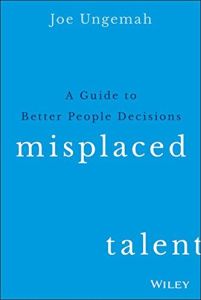
Misplaced Talent
Book

Misplaced Talent

A Guide to Better People Decisions

Wiley, 2015 more...

Buy the book


Editorial Rating

7

getAbstract Rating

  • Applicable

Recommendation

Seasoned consultant Joe Ungemah provides a concise, practical guide to modern talent management. As he covers recruiting, “employer branding,” competencies, capabilities, engagement, learning, change management, succession planning, performance and metrics, an integrated, holistic model of people management emerges. And, he explains why workforce initiatives often fail. Some of Ungemah’s data sources seem dated, but his refreshing emphasis on building and maintaining healthy, balanced relationships between employers and employees – as opposed to a single-minded focus on results and revenue – is rare and useful. getAbstract recommends his insights to CEOs, HR professionals, entrepreneurs managing start-ups, and anyone who makes people-related decisions or who advises on talent management.

Summary

“Healthy Employment Relationships”

Many organizations fail to build healthy employee relationships. They focus on short-term financial and performance goals, and neglect talent management. This results in “misplaced talent” – good people get stuck in the wrong jobs and the wrong people get leadership jobs. “Practitioners” – that is “anyone who makes or influences decisions about employees” – must strive to implement best practices, the right technologies, and data-driven decision-making and systems to bring talent management to bear on the core of their organization’s business and to drive better relationships between organizations and their employees.

“Frameworks”

Frameworks and taxonomies provide a common language for talent management, and enable fair, consistent decisions. Begin building frameworks by using “job analysis” – examining each position in the organization. Interview and observe employees at work and document the “five key ingredients” of each job: what incumbents do; what high performers do differently; core job skills; the necessary experience; and what drives people to do the work. Or, create a company “competency framework” you can plug ...

About the Author

Joe Ungemah, a former Corporate Executive Board consultant and registered psychologist, consults for organizations in his role as director of talent management at Towers Watson.


Comment on this summary

More on this topic

Related Skills

Advance Your Career
AI Transformation
Be Emotionally Intelligent
Career
Develop the Organization
Develop Your Thinking Skills
Digital Transformation
Discover and Understand Digital Technologies
Enable Digital Organization
Foster a Culture of Innovation
Foster Team Culture
Innovate Strategically
Innovation
Lead Ethically
Lead Strategically
Leverage AI for Leadership
Live Well
Manage Teams and Departments
Navigate Leadership Challenges
Promote Diversity, Equity, and Inclusion
Soft Skills
Strengthen Your Digital Literacy
Understand Innovation
Workplace Skills
Support Internal Mobility
Become More Adaptable
Develop Self-Awareness
Understand Organizational Culture
Show Empathy and Compassion
HR Case Studies
Leverage Ambidexterity
Master Interpersonal Skills
Understand Data
Develop Team Members
Set Performance Standards
Understand Personality Types
Leverage Employee Resource Groups
Lead Yourself
Manage Your Leadership Impact
Learning at Work Week 2025
Shape Organizational Culture
Support Team Members’ Careers
Build Psychological Safety
Think Scientifically
Dare to be Vulnerable
Understand Social Behavior
Create a Sense of Belonging
Mitigate Cognitive Biases
Understand Organizational Behavior
Human Resources
Make Good Decisions
Reskill and Upskill Employees
Drive Organizational Performance
Understand Human Resources Economics
Coach People
Evaluate Employees
Management
Track DEI progress
Ace Job Interviews
Analyze Data
Leadership
Leverage AI for Management
Cultivate a Growth Mindset
Optimize Workforce Performance
Manage Learning and Development
Leverage Social Learning
Use AI for Performance Tracking
Attract and Recruit Talent
Retain Employees
Create Career Pathways
Understand Organizations
Be Coachable
Create Learning Experiences
Executive Leadership
Find Meaning
Place Talent Strategically
Think Analytically
Personal Growth
Understand Learning
Manage People and Talent
Discover and Understand Data Analytics and Big Data
Conduct Performance Reviews
Become a Self-Driven Learner
Mentor Employees
Use AI for Workforce Planning
Leverage HR Technology
Enhance Employee Experience
Drive Team Performance
Embrace Change
Implement Mentoring Programs
Adopt a Learning Habit
Use AI for Coaching and Development
Create a Hiring Strategy
Practice Servant Leadership
Lead through Change
Identify Skills Gaps
Manage Talent
Conduct Employee Surveys
Drive Employee Engagement
Understand Yourself
Pursue Lifelong Learning
Conduct Candidate Interviews
Make Data-Driven Decisions
Build Strong Relationships
Leverage AI for HR
Manage Performance
Measure L&D Impact
Evaluate Candidates
Understand Motivation
Become a Mentee
Understand Human Behavior
Use AI for Talent Sourcing
Use AI for Candidate Screening
Develop Leaders
Implement Executive Coaching
Search for a Job
Manage Employee Relations
Understand Organizational Change
Implement Coaching Programs
Recruit Diverse Talent
Build Your Employer Brand
Promote a Learning Culture
Finalize Hiring Decisions
Manage Change