
Skip navigation
Passing The Torch
Book

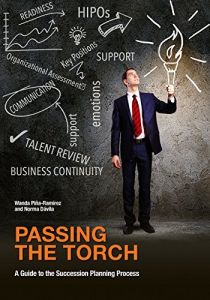
Passing The Torch

A Guide to the Succession Planning Process

ASTD Publications, 2015 more...

Buy the book


Editorial Rating

7

getAbstract Rating

  • Applicable

Recommendation

Many companies fail to plan for the departure of critical executives and employees. Without a formal succession plan, the leaders of any organization of more than a few hundred employees can’t keep track of everyone critical to running the business, much less when they might leave and what it would take to replace them. You will find everything you need to execute an effective succession plan – templates, charts, worksheets and guides to best practices – in this slim volume. Talent development consultants Wanda Piña-Ramirez and Norma Dávila offer a practical, action-oriented manual that takes you from thinking about succession planning to building a “business case,” assembling a project team, creating and executing the plan, and measuring the results. Though this handbook is not for small businesses, getAbstract recommends the authors’ advice and techniques to CEOs, HR managers, learning officers, and all leaders of midsize or large organizations who must plan for the departure of critical talent.

Summary

Succession Planning

A succession plan offers a strategy for replacing pivotal employees or executives in the case of either anticipated or unexpected vacancies. Succession planning is a mission-critical component of your strategy. Succession plans call for developing talent pools of people for possible promotion without guaranteeing anyone a specific position. Succession planning demands time and resources. But, the risk of doing nothing includes significant costs and loss of business.

Succession planning means more than filling vital jobs. It requires regular “talent reviews,” so that you think about your organization’s needs on an ongoing basis, considering the skills and competencies you need now and those you’ll need in the future. Succession planning gives senior executives a formal structure for mentoring. A succession plan also compels managers and leaders to develop employees for future roles, thus proactively building organizational capacity.

Succession planning differs from “replacement planning.” Replacement plans identify people for specific roles in case an incumbent leaves unexpectedly. A replacement plan can substitute for a succession plan while...

About the Authors

Wanda Piña-Ramirez and Norma Dávila operate the Human Factor Consulting Group in Puerto Rico. Each is a past president of an ATD chapter.



Comment on this summary

More on this topic

Related Skills

AI Transformation
Become a Self-Driven Learner
Communicate Effectively
Develop a Business Plan
Digital Transformation
Drive AI Transformation
Drive Team Performance
Enable Digital Organization
Entrepreneurship
Innovation
Manage Teams and Departments
Optimize Workforce Performance
Promote Diversity, Equity, and Inclusion
Soft Skills
Understand Innovation
Implement Mentoring Programs
Develop Team Members
Restructure Your Organization
Identify Skills Gaps
Enhance Employee Experience
Improve Team Performance
Finalize Hiring Decisions
Mentor Employees
Pursue Lifelong Learning
Understand Organizational Change
Manage Performance
Lead Strategically
Set AI Vision & Strategy
Communicate Corporate Strategy
Support Internal Mobility
Create Career Pathways
Manage People and Talent
Implement Training Programs
Support Team Members’ Careers
Evaluate Employees
Conduct Performance Reviews
Drive Organizational Performance
Ensure Business Continuity
Human Resources
Attract and Recruit Talent
Lead Operational Planning
Retain Employees
Evaluate Candidates
Communicate Strategically
Adopt a Learning Habit
Implement Executive Coaching
Reskill and Upskill Employees
Set Career Goals
Understand Organizations
Develop Innovative Products
Executive Leadership
Management
Personal Growth
Promote a Learning Culture
Leadership
Plan AI Workforce Transformation
Plan Strategically
Innovate Strategically
Set Business Goals
Track DEI progress
Career
Create a Hiring Strategy
Measure L&D Impact
Plan Your Career
Place Talent Strategically
Develop the Organization
Develop Leaders
Communicate Transparently
Manage Organizational Knowledge
Manage Talent
Manage Change
Manage Learning and Development
Advance Your Career