Skip navigation
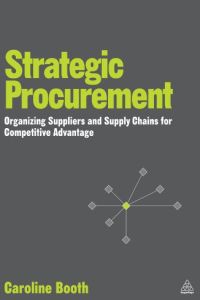
Strategic Procurement
Book

Strategic Procurement

Organizing Suppliers and Supply Chains for Competitive Advantage

Kogan Page, 2010 more...

Buy the book


Editorial Rating

7

getAbstract Rating

  • Applicable

Recommendation

Believe it or not, logistics can be exciting, especially when presented in a flowing, concise essay spiced with case studies and examples from the author’s experience. Procurement specialist Caroline Booth makes her points clearly through great organization, vivid stories and effective charts. While some chapters would benefit from some refined editing, readers can appreciate and implement her message about the importance of procurement. Managers can easily follow Booth’s suggestions on using third-party providers to complement their businesses’ core activities. getAbstract considers this valuable reading for senior executives and supply chain managers who want to elevate the role of procurement and make their firms more profitable.

Summary

Know Your Suppliers

A supply chain is a sequence of activities that delivers a product or service to an internal or external recipient. In some cases, suppliers assist other suppliers. Procurement is a big part of most companies’ budgets, but many senior executives have no idea how much their suppliers cost them. When asked how much his bank spent on vendors, one executive replied that the figure could not be much since the bank did not manufacture anything. He was wrong. In the late-1990s, his bank spent £2 billion on check printers, automated teller machine mechanics and other suppliers crucial to the bank’s operations.

Many firms outsource services they once handled in-house to mitigate potential risk to their reputations in case of error. This tactic fails because, in the event of mistakes or mishaps, customers and the public will always blame the corporation, not an anonymous supplier.

Executives must know how much they spend on third-party providers in three areas:

  1. “Direct expenditures” – The cost of buying the goods needed to make or support the product or service a firm sells, including all manufacturing materials...

About the Author

Procurement specialist Caroline Booth has worked internationally for Shell and Ernst & Young.


Comment on this summary

More on this topic

Related Skills

Attract and Recruit Talent
Become More Productive
Communicate Effectively
Develop a Business Plan
Develop Innovative Products
Digital Transformation
Food and Beverage Industry
Transport and Logistics
Drive Project Management
Enable Digital Organization
Entrepreneurship
Executive Leadership
Human Resources
Innovation
Lead Operational Planning
Leadership
Manage Climate Risks
Manage Corporate Communications
Manage Product Innovation
Manage Teams and Departments
Market Insights by Industry
Marketing
Master B2B Sales
Personal Growth
Sales
Soft Skills
Sustainability
Understand Economics
Workplace Skills
Make Supply Chain Sustainable
Management
Agriculture Industry
Build Your Employer Brand
Define Product Vision
Master Collaboration
Supply and Demand
Define Purpose, Vision, and Mission
Make Supply Chain Transparent
Mitigate Carbon Footprint
Food and Beverage Challenges
Manage Key Accounts
Communicate with Stakeholders
Manage IT Vendors and Contracts
Collaborate Across Functions
Lead Strategically
Master Branding
Define Product Strategy
Innovate Strategically
Leverage Outsourcing and Offshoring
Transport and Logistics Challenges
Discover Supply Chain Risks
Create Product-Market Fit
Master Marketing Strategy
Plan Strategically
Manage Project Resources
Optimize Supply Chain Logistics
Create Value Proposition
Identify Customer Needs
Optimize Resource Use
Translate Strategy into Action
Communicate Corporate Purpose
Manage Procurement
Manage Supply Chain Risks
Communicate Strategically
Production and Logistics
Manage Supply Chain Operations
Allocate Resources
Communicate Corporate Strategy