Skip navigation
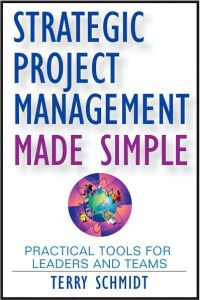
Strategic Project Management Made Simple
Book

Strategic Project Management Made Simple

Practical Tools for Leaders and Teams

Wiley, 2009 more...

Buy the book


Editorial Rating

8

getAbstract Rating

  • Innovative
  • Applicable

Recommendation

Have you ever been part of a project that seemed to be an empty exercise in chart maintenance? Terry Schmidt shows you how to avoid that pitfall by designing your project to provide real strategic value to your company. He also provides excellent tools you can use on every project to make sure that its work is meaningful, that your logical design for the project is sound and that you have organized its work in purposeful chunks. Since project management depends on people, Schmidt shows you how to involve your colleagues, team members and stakeholders. He organizes his chapters for clarity and ends them with summaries of the main points. He provides the forms you need, and explains how to adapt and use them. Schmidt illustrates his principles with real-world examples drawn from his long experience consulting with companies and governments. He even throws in some nice humor and a few quite funny cartoons. getAbstract recommends this helpful, thoughtful look at project management. Schmidt goes beyond explaining the right techniques to focus on doing projects in a way that provides strategic value.

Summary

Project Management Is Much More Than Charts

Whether your project is big or small, you can use strategic tools and approaches to manage it effectively.

The most important project management task is to understand exactly what you are trying to do, what success will look like and how you will know you have reached it.

Avoid six common project-planning mistakes:

  1. Having fuzzy objectives – When you begin a project without a clear destination you will end up doing a great deal of unusable work.
  2. Working without context – If you don’t know how your effort fits into a larger picture, you probably are working without the ability to make course corrections.
  3. Using the wrong tools – Use the right tools, not just the easily available tools.
  4. Believing stakeholders don’t matter – No project exists in isolation. Be sure your work has meaning for those who will assess what you produce.
  5. Being too busy to plan – If you don’t take the time to plan well, you will miss deadlines, and you will waste time and...

About the Author

Terry Schmidt is a certified project management professional (PMP with 30-plus years of experience. He teaches project management at UCLA and the University of Wisconsin.


Comment on this summary

More on this topic

Related Skills

AI Transformation
Become a Self-Driven Learner
Become More Adaptable
Career
Communicate Effectively
Develop Team Members
Develop the Organization
Develop Your Thinking Skills
Digital Transformation
Construction
Drive AI Transformation
Entrepreneurship
Execute Digital Operations
Executive Leadership
Foster Team Culture
Human Resources
Lead Operational Planning
Make Good Decisions
Manage Product Innovation
Manage Teams and Departments
Market Insights by Industry
Marketing
Personal Growth
Plan Your Career
Workplace Skills
Drive Product Development
Delegate Effectively
Learn from Experience
Master Collaboration
Master Interpersonal Skills
Set Business Goals
Understand Personality Types
Embrace Intelligent Failure
Master Marketing Strategy
Strengthen Team Collaboration
Define Purpose, Vision, and Mission
Drive Organizational Performance
Optimize Resource Use
Solve Problems
Become More Productive
Innovation
Develop a Business Plan
Manage Project Risks
Construction Case Studies
Lead Strategically
Set Career Goals
Soft Skills
Plan Strategically
Manage Project Stakeholders
Manage Change
Choose AI Priorities
Develop Innovative Products
Leadership
Management
Lead Yourself
Think Strategically
Practice Transformational Leadership
Allocate Resources
Set and Achieve Goals
Manage Project Timelines
Organize Innovation
Leverage Ambidexterity
Implement Agility
Drive Team Performance
Apply Scrum
Innovate Strategically
Communicate Corporate Strategy
Define Product Strategy
Set Team Goals
Manage Project Scope and Budgets
Manage People and Talent
Communicate Strategically
Streamline Your Workflow
Drive Project Management
Translate Strategy into Action
Plan and Execute Projects