Skip navigation
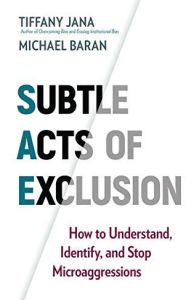
Subtle Acts of Exclusion
Book

Subtle Acts of Exclusion

How to Understand, Identify, and Stop Microaggressions

Berrett-Koehler, 2020 more...

Buy the book


Editorial Rating

9

getAbstract Rating

  • Applicable
  • Well Structured
  • Concrete Examples

Recommendation

Everyone has unconscious biases. Though most “subtle acts of exclusion“ are not malicious, if people commit them unchecked, their effects can demoralize a workforce. Leaders seeking a more inclusive culture must discuss sensitive subjects like racism or sexism, even at the risk of getting the words wrong. Dr. Tiffany Jana and Dr. Michael Baran explain how your organization can put inclusive policies into place while never sugarcoating potential difficulties. They suggest activities for building awareness and inclusion, both important values that foster resilient teams of engaged employees.

Summary

“Subtle acts of exclusion” (SAEs) are words or actions that spring from conscious or unconscious bias.

Everyone performs acts of exclusion, most often out of ignorance or unconscious bias. Every SAE has an individual or group “subject,” who may or may not be present. The person who commits the SAE is the “initiator.” Observers who speak up for the target of bias are “allies.” Those who remain silent are “bystanders.”

Inclusive corporate cultures insist that everyone should notice and call out SAEs when they happen. Initiators must understand how they have committed a transgression and, rather than become defensive, they should vow to do better. Inclusion makes everyone better at their jobs, more collaborative and more likely to stay with their companies.

Obvious discrimination and structural exclusion are easier to identify than SAEs, sometimes called “microaggressions.” This term is misleading, because people who commit these acts aren’t necessarily aggressive, and the impact of using discriminatory phrases or actions isn’t small. Someone who asks a Filipino, “What are you...

About the Authors

TMI Portfolio’s CEO Tiffany Jana co-wrote Overcoming Bias. Scientist Michael Baran is a senior partner at inQUEST Consulting.


Comment on this summary

  • Avatar
  • Avatar
    V. Z. 2 years ago
    Very informative
  • Avatar
    G. S. 4 years ago
    Great start to discussion on framing a "normal".
    I'm personally looking forward to the day when we'll finally drop the concept of normal and enjoy the authenticity that will find space to show itself.
  • Avatar
    L. R. 4 years ago
    Interesting take on inclusion, great summary

More on this topic

Related Skills

AI Transformation
Be Creative
Be Emotionally Intelligent
Become More Adaptable
Build and Maintain Well-Being
Communicate Effectively
Develop Your Thinking Skills
Digital Transformation
Enhance Cybersecurity
Foster a Culture of Innovation
Human Resources
Innovation
Lead Ethically
Lead Yourself
Leverage AI for Leadership
Leverage AI in Your Daily Tasks
Management
Master Collaboration
Personal Growth
Workplace Skills
Support Employees’ Mental Health
Track DEI progress
Champion Diversity
Understand Discrimination
Master Interpersonal Skills
Use AI Ethically
Manage Employee Relations
Challenge Assumptions
Use AI Ethically as a Leader
Mitigate Cognitive Biases
Communicate Inclusively
Build Security Culture
Soft Skills
Promote Generational Inclusion
Support Employees’ Well-being
Understand Unconscious Bias
Leadership
Understand Systemic Inequalities
Cultivate a Growth Mindset
Enhance Employee Experience
Foster Team Culture
Recruit Diverse Talent
Be Coachable
Build Psychological Safety
Understand Yourself
Shape Organizational Culture
Address Microaggressions
Leverage Employee Resource Groups
Promote Neuro-Inclusion
Navigate Difficult Conversations
Promote Socio-Economic Inclusivity
Develop Self-Awareness
Navigate Workplace Culture
Navigate Office Politics
Take Other Perspectives
Age Well
Practice Servant Leadership
Promote LGBTQ+ Inclusion
Communicate Across Cultures
Increase Your Cultural Awareness
Promote Disability Inclusion
Address Sexual Harassment
Handle Grievances
Promote Gender Inclusion
Dare to be Vulnerable
Promote Diversity, Equity, and Inclusion
Be Authentic
Create a Sense of Belonging
Promote Ethnic Inclusion
Lead Inclusively
Show Empathy and Compassion
Practice Humility
Understand Microaggressions
Build an Inclusive Culture
Become an Ally to Minority Team Members