



Right-click on the code to copy the image.
Note: On an ASP portal, the link behind the code is portal specific!
Recommendation
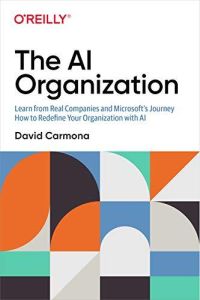
Touted as the “fourth industrial revolution,” artificial intelligence is set to surpass other technological innovations in its breadth and scope. Organizations must recognize that while AI is still an evolving system, the time to build it into every facet of your company is now. Microsoft AI developer David Carmona has both the technical expertise and big-picture perspective on how organizations can foster AI solutions in their technical departments, business units and among their employees. Whether your enterprise is in the public or private sector, in manufacturing or HR or sales, AI will transform your systems. For the unprepared, AI will arrive like a tsunami. With this guide, your organization can ride the wave.
Summary
About the Author
David Carmona has more than two decades of experience in the technology industry. He began his career as a software engineer, and has held a variety of technical and business leadership roles at Microsoft, both in Redmond and internationally.
By the same author
Learners who read this summary also read
Related Skills

Corporate Finances

Entrepreneurship

Executive Leadership

Human Resources

Leadership

Leverage AI for Marketing

Make Good Decisions

Management

Marketing

Sales

Workplace Skills

Leverage AI for Cybersecurity

Use AI for Coaching and Development

Discover AI Use Cases in the Aerospace and Defense Industry

Measure AI Business Impact

Discover AI Use Cases in the Automotive Industry

Discover AI Use Cases in the Manufacturing Industry

Discover AI Use Cases in the Media and Entertainment Industry

Discover AI Use Cases in the Telecommunications Industry

Leverage AI for Sales

Understand AI Societal Impact

Discover AI Use Cases in the Sports Industry

Leverage AI for Leadership

Understand AI Impact on Work

Discover AI Use Cases in the Education Sector

Discover AI Use Cases in the Retail Industry

Leverage AI for Product Development

Set AI Vision & Strategy

Use AI to Enhance Communication

Discover AI Use Cases in the Public Sector

Understand AI Impact on Business and Economy

Use AI for Personal Productivity

Discover AI Use Cases in the Healthcare Industry

Drive AI Transformation

Use AI for Decision Support

Discover AI Use Cases in the Insurance Industry

Discover AI Use Cases in the Tourism Industry

Leverage AI for Finance

Understand AI Capabilities and Limits

Use AI for Workflow Automation

Discover AI Use Cases in the Consulting Industry

Leverage AI in Your Daily Tasks

Understand AI

Use AI for Data Analysis

Discover AI Use Cases in the Technology Industry

Leverage AI for HR

Use AI for User Research

Discover AI Use Cases in the Finance Industry

Leverage AI Agents

Leverage AI for Business Strategy

Drive AI Adoption in Teams

Guide Teams Through AI Transition

Use AI for Customer Service Automation

Use AI for Learning & Development

Use AI Securely

Discover AI Use Cases

Establish AI Governance

Understand AI Risks

Use AI for Process Optimization

Use AI with Company Knowledge

Leverage AI for Management

Organize for AI

Plan AI Workforce Transformation

Use AI Ethically as a Leader

Leverage AI for Customer Experience

Understand AI Ethical Impact

Use AI for Learning and Upskilling

AI Transformation

Use AI Ethically

Comment on this summary