Skip navigation
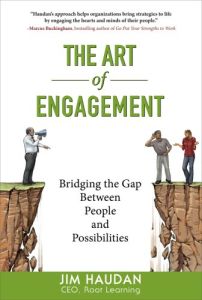
The Art of Engagement
Book

The Art of Engagement

Bridging the Gap Between People and Possibilities

McGraw-Hill, 2008 more...

Buy the book


Editorial Rating

8

getAbstract Rating

  • Applicable

Recommendation

Organizational leaders spend considerable time and effort carefully developing strategies to advance their corporate goals. However, they often fail to communicate these strategies compellingly to their employees – the people who must execute every step. Therefore, it is no surprise that most such strategies fail. Management consultant Jim Haudan recommends a strategy-sharing approach using visuals, metaphors and stories to engage employees. He offers tactics for getting them on board to execute your strategy and organizational directives. One negative: Many of the illustrations (reductions from original table-size artwork) are busy and even fuzzy. Some feature tiny text, which illustrates – in the breech – Haudan’s point about using clear visuals to communicate and engage. Otherwise the book is superior, very insightful and nicely written. Haudan uses case studies to demonstrate the effectiveness of his employee engagement process. getAbstract believes leaders can benefit from learning his tactics for communicating strategies so employees understand them, support them and actually implement them.

Summary

The Engagement Imperative

Consider this lesson in contrasts: think of a baseball game versus an office. At the game, people are enthused and excited. They cheer. They clap. They are engaged. This is hardly the scene at the typical office. Okay, so huzzahs and applause rarely fit in at work, but shouldn’t employees at least be engaged in their jobs? Indeed they should. So, why aren’t they? Numerous reasons exist. For example, managers do not explain the big picture, so employees do not feel like a part of the process. They just aren’t sure that their contributions, opinions and efforts make a difference. They think they are simply along for the ride.

These thoughts and feelings are roadblocks to meaningful change. That’s why a new strategic push at the typical company often goes nowhere once it leaves the executive suite. When a strategic imperative is meaningless to your employees, they won’t get behind it. Leaders plan and develop strategy, but employees execute it. They are the “true engines of business.” Without employee buy-in, the most exciting new strategy will be dead on arrival. To make your new strategy work, engage your employees so they take full ownership...

About the Author

Jim Haudan is co-founder and CEO of Root Learning, a management-consulting firm.


Comment on this summary

  • Avatar
  • Avatar
    C. H. 9 years ago
    I found the summary on "The Art of Engagement" to be informative regarding how to generate associate engagement around organizational strategy. Of the 6 roadblocks to engagement listed, the 4th really caught my attention, “I can’t be engaged if I don’t see the big picture.” Communicating the big picture can often be overlooked by leaders seeking the buy-in of those they are leadiing. It reminds me of the Broadridge Journey visual associated with the "Living Our Values" course. As the author Haudan mentions, a picture truly is worth 1,000 words. Using "effective" visuals more frequently to communicate key messages can have a lasting impact on engagement.

More on this topic

Related Skills

Advance Your Career
Be Emotionally Intelligent
Become More Adaptable
Build and Maintain Well-Being
Career
Convert Prospects
Develop Innovative Products
Develop the Organization
Entrepreneurship
Human Resources
Innovate Strategically
Lead Ethically
Lead Operational Planning
Lead Strategically
Lead Yourself
Live Well
Make Good Decisions
Manage Corporate Communications
Manage Learning and Development
Manage Performance
Manage Teams and Departments
Management
Marketing
Navigate Leadership Challenges
Personal Growth
Place Talent Strategically
Plan and Strategize Your Sales
Promote Diversity, Equity, and Inclusion
Sales
Sustainability
Understand Organizations
Workplace Skills
Develop Your Thinking Skills
Soft Skills
Communicate Clearly
Drive Change Without Authority
Understand Personality Types
Communicate Corporate Strategy
Master Interpersonal Skills
Overcome Loneliness
Promote a Learning Culture
Support Internal Mobility
Take Other Perspectives
Embrace Divergent Thinking
Understand Team Dynamics
Collaborate Across Functions
Navigate Uncertainty
Become a Self-Driven Learner
Have Effective Meetings
Implement ESG Strategies
Leverage Ambidexterity
Cultivate a Growth Mindset
Practice Humility
Facilitate Discussions
Enhance Employee Experience
Navigate Office Politics
Understand Yourself
Drive Organizational Performance
Manage Sales Teams
Embrace Change
Engage in Intrapreneurship
Foster Team Culture
Use Humor Effectively
Develop Self-Awareness
Influence Others
Build Prospect Rapport
Leverage Employee Resource Groups
Practice Servant Leadership
Champion New Ideas
Communicate Effectively
Create Learning Experiences
Promote Failure-tolerance
Foster a Culture of Innovation
Leadership
Manage Change
Support Team Members’ Careers
Cultivate Curiosity
Understand Organizational Behavior
Challenge Assumptions
Persuade Effectively
Master Content Marketing
Shape Organizational Culture
Understand Motivation
Navigate Difficult Conversations
Gain People's Trust
Understand Human Behavior
Develop Team Members
Define Product Vision
Lead through Change
Executive Leadership
Manage People and Talent
Solve Problems
Be Creative
Build Psychological Safety
Excel at Conversations
Foster Collaboration
Practice Transformational Leadership
Leverage Social Learning
Dare to be Vulnerable
Motivate Your Team
Build Strong Relationships
Generate Ideas
Innovation
Manage Employee Relations
Communicate Transparently
Find Meaning
Promote Generational Inclusion
Take Group Decisions
Embrace Intelligent Failure
Apply Gamification
Build a Shared Vision
Master Collaboration
Promote Creativity
Ask Questions
Translate Strategy into Action
Communicate Strategically
Drive Team Performance
Be Authentic
Communicate Corporate Purpose
Foster Ownership in Others
Strengthen Team Collaboration
Encourage Experimentation
Facilitate Group Ideation
Drive Employee Engagement
Apply Design Thinking
Tell Compelling Stories
Build Team Cohesion
Create a Sense of Belonging
Collaborate Creatively
Foster Open Communication