Skip navigation
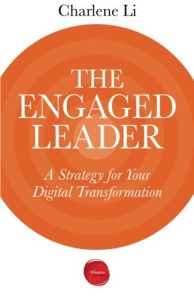
The Engaged Leader
Book

The Engaged Leader

A Strategy for Your Digital Transformation

Wharton Digital Press, 2015 more...

Buy the book


Editorial Rating

8

getAbstract Rating

  • Applicable

Recommendation

In the digital age, the traditional business hierarchy no longer makes sense. The CEO was once a remote figure who depended on layers of managers for reports on customers and employees. But in the digital age, leaders must be engaged to be effective, says consultant Charlene Li. Contemporary leaders can use social media to monitor the pulse of the market; to cultivate relationships with customers, employees and stakeholders; and to empower employees by sharing information. In this beginner’s guide to digital strategy, Li shows how to listen to thousands of people at once, how to create online content that attracts followers and how to engage every level of your workforce. She offers advice on preventing social networking from becoming a time sink and explains how top executives can manage digital relationships to be just enough, but not too much. Though her manual isn’t heavy on details, getAbstract recommends it as a perfect pep talk for leaders, especially for those who are still resisting establishing a social media presence.

Summary

Getting in Touch

The digitally networked world makes traditional command-and-control leadership obsolete. Today’s successful leader is “engaged” in an unprecedented level of contact with employees, customers and other organizational stakeholders. By leveraging the power of social media, mobile connectivity and digital data, leaders can build relationships, take the pulse of the market and empower members of a far-flung, distributed workforce to strive independently toward common goals.

Breaking the Chain

In the traditional business hierarchy, leaders erected a wall of middle managers between themselves and their customers and employees. They “accumulated power by hoarding information and then releasing it in a highly controlled way, thereby creating scarcity.” The middle managers were gatekeepers who regulated and filtered the leader’s flow of information. Gatekeepers relayed the leader’s commands to the workforce and informed the leader about customer or staff concerns.

This chain-of-command model isn’t tenable today. You can access your customers’ concerns any time you want by going to your company’s Facebook page and reading the comments. You can obtain...

About the Author

Strategy expert Charlene Li is founder and CEO of Altimeter Group Digital. She is a frequent public speaker and consults with a variety of Fortune 500 companies.


Comment on this summary

More on this topic

Related Skills

Advance Your Career
AI Transformation
Be Emotionally Intelligent
Career
Convert Prospects
Develop Innovative Products
Develop Team Members
Future of Work
Drive Team Performance
Entrepreneurship
Foster a Culture of Innovation
Human Resources
Innovation
Lead Ethically
Lead Strategically
Lead Yourself
Live Well
Manage Change
Manage Learning and Development
Management
Marketing
Master Collaboration
Navigate Leadership Challenges
Personal Growth
Promote Diversity, Equity, and Inclusion
Sales
Shape Organizational Culture
Strengthen Team Collaboration
Sustainability
Workplace Skills
Conduct Employee Surveys
Communicate Strategically
Dare to be Vulnerable
Foster Ownership in Others
Master Content Marketing
Foster Open Communication
Navigate Difficult Conversations
Leverage Social Learning
Communicate with Stakeholders
Facilitate Group Ideation
Master Public Speaking
Build Your Presence
Drive AI Transformation
Implement ESG Strategies
Motivate Your Team
Executive Leadership
Enhance Employee Experience
Ask Questions
Create a Sense of Belonging
Digital Transformation
Have Effective Meetings
Lead through Change
Build Psychological Safety
Present in Person
Become a Mentee
Build Confidence
Guide Teams Through AI Transition
Leverage AI for Customer Experience
Enhance Customer Experience
Drive Digital Marketing
Integrate Customer Feedback
Influence Others
Communicate Digitally
Emerging Leadership Approaches
Foster Team Culture
Gain People's Trust
Leverage Corporate Blogging
Mentor Employees
Build Team Cohesion
Leverage AI for Leadership
Practice Transformational Leadership
Enable Digital Organization
Master Social Media Marketing
Excel at Conversations
Build Prospect Rapport
Leadership
Navigate Office Politics
Soft Skills
Communicate Effectively
Champion New Ideas
Leverage Employee Resource Groups
Strategize Digital Transformation
Manage Your Leadership Impact
Build Digital Culture
Promote Customer Centricity
Communicate Transparently
Manage Employee Relations
Practice Servant Leadership
Master Interpersonal Skills
Drive Change Without Authority
Listen Well
Drive Employee Engagement
Build Strong Relationships