
Зарегистрируйтесь на getAbstract, чтобы получить доступ к этому краткому изложению.
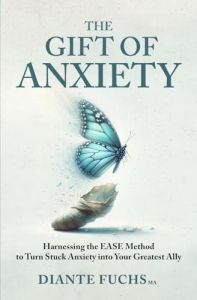
Зарегистрируйтесь на getAbstract, чтобы получить доступ к этому краткому изложению.
Diante Fuchs
The Gift of Anxiety
Harnessing the EASE Method to Turn Stuck Anxiety into Your Greatest Ally
TCK, 2024
Что внутри?
Anxiety isn’t the enemy — it’s your guide to greater balance and inner peace.


Summary availability: Worldwide
Recommendation
Many people perceive anxiety as something negative that they need to eliminate from their lives. In truth, it’s a natural emotional response designed to keep you safe. So, instead of fighting anxious feelings, clinical psychologist Diante Fuchs argues, reframe how you think about them: as messengers, highlighting areas of your life that need attention. Fuchs’ EASE method offers a practical, step-by-step framework for distinguishing between useful anxiety and the kind that keeps you stuck in distress, and teaches you to respond to these signals in ways that restore calm to both body and mind.
Summary
About the Author
Diante Fuchs is a New Zealand-based clinical psychologist and international anxiety coach with more than 10 years of private practice experience.

Comment on this summary