Saltar a navegação
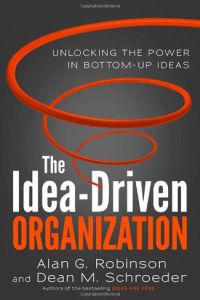
The Idea-Driven Organization
Book

The Idea-Driven Organization

Unlocking the Power in Bottom-Up Ideas

Berrett-Koehler, 2014 mais...

Buy the book


Editorial Rating

8

getAbstract Rating

  • Applicable

Recommendation

Most organizations fail to use their most valuable resource – the insight of their “front-line employees.” Consultants Alan G. Robinson and Dean M. Schroeder provide a managerial wake-up call in this report. They explain that most usable ideas come from front-line, customer-facing employees. To become more innovative, firms need idea-generation systems – yet implementing those ideas is a challenge to entrenched corporate culture. The authors illustrate their thesis with case studies showing how organizations, most notably in “services, manufacturing, health care and government,” benefit from establishing idea-generation systems. getAbstract recommends their advice to corporate consultants, government agency directors, entrepreneurs and any executive who wants to build a culture of innovation.

Summary

Your Most Valuable Resource

Most organizations neglect their most valuable resource: the insight of their “front-line employees.” However, “idea-driven” companies listen to their workforce, a source of their most innovative solutions. Becoming idea driven is challenging, and the transformation takes time, perhaps six months for a small firm and up to two years for a large corporation.

With steady effort since the mid-1990s, the CEO of Brasilata has transformed this Brazilian company into an idea-driven organization. Brasilata is in an industry most analysts consider mature and not very glamorous: It makes steel cans. Yet, annually, its “nearly 1,000 ‘inventors’ (front-line employees) come up with some 150,000 ideas, 90% of which are implemented.” If approved by a manager, and the idea costs less than 100 Brazilian reals to implement, employees can put improvement ideas into practice. A manager’s director can approve suggestions that cost less than 5,000 reals. Ideas that cost more go to the CEO for approval. Workers directly enact “about 70% of ideas,” while “implementation teams” apply about 20%. The staff members at the firm’s four facilities support the idea system...

About the Authors

Consultants and best-selling authors Alan G. Robinson and Dean M. Schroeder wrote Ideas Are Free: How the Idea Revolution Is Liberating People and Transforming Organizations.



Comment on this summary

  • Avatar
  • Avatar
    8 years ago
    Best ideas are necessary to run a organization
  • Avatar
    8 years ago
    Best ideas are necessary to run a organization
  • Avatar
    E. Y. 1 decade ago
    Painfully states the obvious.

More on this topic

Related Skills

Advance Your Career
Become More Adaptable
Career
Develop the Organization
Digital Transformation
Drive AI Transformation
Enhance Customer Experience
Ensure Production Quality
Entrepreneurship
Execute Digital Operations
Foster Team Culture
Human Resources
Innovate Strategically
Lead Ethically
Lead Strategically
Leverage AI for Product Development
Leverage AI in Your Daily Tasks
Make Good Decisions
Manage Learning and Development
Marketing
Master Collaboration
Personal Growth
Production and Logistics
Promote Diversity, Equity, and Inclusion
Soft Skills
Strengthen Team Collaboration
Workplace Skills
Lead Inclusively
Implement Agility
Drive Employee Engagement
Drive Product Development
Apply Design Thinking
Build an Inclusive Culture
Cultivate Curiosity
Challenge Assumptions
Integrate Customer Feedback
Manage People and Talent
Solve Problems
Shape Organizational Culture
Drive Team Performance
AI Transformation
Apply Lean Startup
Apply Open Innovation
Drive Change Without Authority
Leadership
Organize Innovation
Promote Generational Inclusion
Use AI for Generating Ideas
Cultivate a Growth Mindset
Practice Transformational Leadership
Encourage Experimentation
Promote Failure-tolerance
Leverage AI for Management
Organize for AI
Drive Organizational Performance
Practice Servant Leadership
Drive Continuous Improvement
Enhance Employee Experience
Foster Collaboration
Take Group Decisions
Embrace Divergent Thinking
Leverage Ambidexterity
Understand Organizations
Build Psychological Safety
Reward Employee Contributions
Promote Creativity
Generate Ideas
Leverage Employee Resource Groups
Champion New Ideas
Promote a Learning Culture
Develop Innovative Products
Collaborate Creatively
Facilitate Group Ideation
Embrace Change
Be Creative
Apply Kaizen
Manage Product Innovation
Management
Select Ideas
Foster Ownership in Others
Innovation
Engage in Intrapreneurship
Executive Leadership
Foster a Culture of Innovation