
Skip navigation
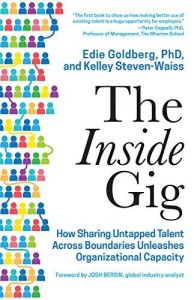
The Inside Gig
Book

The Inside Gig

How Sharing Untapped Talent Across Boundaries Unleashes Organizational Capacity

Life Tree Media, 2020 more...

Buy the book


Editorial Rating

9

getAbstract Rating

  • Applicable
  • Well Structured
  • Concrete Examples

Recommendation

Managers tend to assess people’s skills by looking at their current roles and jobs titles. However, employees have additional skills and passions they want to use, and which you can leverage. Human resources and change management experts Edie Goldberg and Kelley Steven-Waiss provide detailed examples, drawn from companies in various industries, to help illustrate six core principles organizations can use to tap into employees’ skills. By leveraging your current workforce in new ways, you can create an agile organization, able to adapt to the fast-changing forces of the new digital economy.

Summary

Instead of recruiting externally to fill skill gaps, companies should learn to recognize and leverage the talent they have within.

Technology brings disruption to all sectors of the workforce. However, human resource (HR) departments continue to use traditional, outdated tools and policies to recruit and oversee the company workforce. Leaders must consider new approaches to meet the challenges of an environment that continually presents new technologies and demands new skills of workers.

Employees bring previous experiences and outside interests to a job. Job titles alone don’t reflect the full range of their skills. For example, an employee who studied engineering but now works in marketing will retain relevant expertise that could benefit the company. Yet, many companies assign jobs based solely on people’s current job profiles. Freelance platforms, by contrast, list candidates’ skills and talents so that companies can match them to specific projects. By adopting a similar approach, companies can replicate the gig economy internally.

Six core principles underpin the Inside Gig talent model which helps organizations use existing...

About the Authors

Edie Goldberg, PhD, is a nationally recognized expert in talent management and organization development who focuses on designing HR processes to attract, engage and retain employees. Kelley Steven-Waiss – the former chief human resource manager of HERE Technologies – is the founder and CEO of Hitch Works, a cloud-based talent mobility platform.


Comment on this summary

More on this topic

Related Skills

Advance Your Career
AI Transformation
Be Emotionally Intelligent
Become More Productive
Build Confidence
Career
Communicate Effectively
Develop the Organization
Digital Transformation
Enhance Cybersecurity
Entrepreneurship
Execute Digital Operations
Innovate Strategically
Lead Ethically
Lead Strategically
Leverage AI for Leadership
Leverage AI in Your Daily Tasks
Manage Learning and Development
Manage Product Innovation
Manage Remuneration
Navigate Leadership Challenges
Personal Growth
Plan and Strategize Your Sales
Plan Strategically
Plan Your Career
Promote Diversity, Equity, and Inclusion
Sales
Soft Skills
Strengthen Your Digital Literacy
Understand AI
Understand Innovation
Understand Organizations
Workplace Skills
Be Creative
Build Security Culture
Develop Innovative Products
Use AI with Company Knowledge
Drive Organizational Performance
Drive Project Management
Lead Remote or Hybrid Teams
Use AI for Learning & Development
Design Incentive Structures
Manage Intellectual Capital
Implement Agility
Optimize Workforce Performance
Understand AI Impact on Work
Work Remotely
Embrace Change
Delegate Effectively
Promote Gender Inclusion
Champion New Ideas
Foster Team Culture
Onboard New Hires
Collaborate Creatively
Innovation
Leverage Ambidexterity
Manage Team Boundaries
Shape Organizational Culture
Support Team Members’ Careers
Communicate Transparently
Enhance Team Agility
Facilitate Discussions
Manage Project Resources
Manage Sales Teams
Use AI for Coaching and Development
Build Psychological Safety
Drive AI Transformation
Leverage Employee Resource Groups
Master Digital Tools
Take Other Perspectives
Create a Sense of Belonging
Learning at Work Week 2025
Lead Operational Planning
Leadership
Promote Creativity
Build Your Employer Brand
Allocate Resources
Navigate Uncertainty
Increase Your Cultural Awareness
Lead Yourself
Embrace Divergent Thinking
Promote Generational Inclusion
Strengthen Team Collaboration
Encourage Experimentation
Foster Collaboration
Enhance Employee Experience
Enable Digital Organization
Guide Teams Through AI Transition
Leverage L&D Technology
Streamline Your Workflow
Apply Open Innovation
Build Team Cohesion
Human Resources
Offer Flexible Work Arrangements
Lead Inclusively
Practice Servant Leadership
Apply Scrum
Engage in Intrapreneurship
Foster Open Communication
Drive Employee Engagement
Engage in Job Crafting
Leverage Social Learning
Use AI for Learning and Upskilling
Use AI for Resource Planning
Manage Talent
Master Collaboration
Build an Inclusive Culture
Support Others
Build Digital Culture
Cultivate Flexibility
Drive AI Adoption in Teams
Leverage AI for HR
Identify Your Strengths
Plan AI Workforce Transformation
Create a Hiring Strategy
Future Skills
Support Internal Mobility
Understand Organizational Change
Management
Assess Your Skillset
Drive Product Development
Drive Team Performance
Leverage AI for Management
Practice Transformational Leadership
Understand Learning
Recruit Diverse Talent
Optimize Resource Use
Leverage Your Strengths
Manage Teams and Departments
Develop Team Members
Tech Impact on Work
Foster Ownership in Others
Define Roles
Use AI for Talent Sourcing
Leverage HR Technology
Manage People and Talent
Become a Self-Driven Learner
Emerging Work Technologies
Collaborate Across Functions
Organize for AI
Drive Change Without Authority
Cultivate a Growth Mindset
Facilitate Group Ideation
Executive Leadership
Pursue Lifelong Learning
Attract and Recruit Talent
Reskill and Upskill Employees
Future of Work
Use AI for Workforce Planning
Manage Change
Place Talent Strategically
Identify Skills Gaps
New Work Models
Use AI for Skills Matching
Become More Adaptable
Foster a Culture of Innovation
Lead through Change
Adopt a Learning Habit
Promote a Learning Culture