


Skip navigation
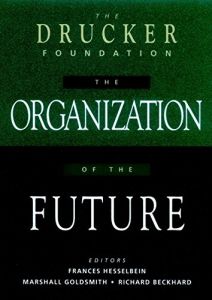
The Organization of the Future
Book

The Organization of the Future

Jossey-Bass, 1997 more...

Buy the book


Editorial Rating

7

getAbstract Rating

  • Innovative

Recommendation

Editors Frances Hesselbein, Marshall Goldsmith and Richard Beckhard present a series of short essays by 39 authors describing the structure of tomorrow’s organizations. The essays, which are introduced by Peter Drucker, are organized into six main themes: shaping future organizations, new models for working and organizing, organizing for strategic advantage, working and organizing in a wired world, leading people in future organizations and understanding and improving organizational health. Given this approach and more than three dozen authors, some repetition is inevitable, so getAbstract wonders if readers will prefer to dip in and choose articles that appeal to them the most. Generally, the book explicates broad trends in structural thinking, almost like a survey of organizational forecasting by top philosophers, authors and leaders in the field. This is sure to intrigue the executives charged with steering large organizations to and through this complex future.

Summary

Shaping the Organization of the Future

Management expert Peter Drucker says that the world has been moving toward a society of big organizations with many employees since the 1860s.

Yet, since the 1960s, most big businesses have lost market share, while small or medium-sized corporations have grown. Thus, says Drucker, diseconomies of scale are moving business toward a networked society, rather than an employee society. Instead of the command-and-control model, the trend is toward relationships where no one controls or commands, such as alliances, joint ventures, partnership, minority participation plans and marketing agreements. Simultaneously, small companies with local or regional markets are being forced to compete in a global arena and to mount a global strategy.

Such developments make new organizational forms necessary. No single type of organizational form will work - rather the trend is toward plurality and a pluralism of organizations, with different types for different purposes, work, people and cultures.

Given these new trends, you need to prepare for organizational change, says James A. Champy, chairman of the Perot Systems Corporation consulting...

About the Authors

Frances Hesselbein  is chairman of the board of governors of the Peter F. Drucker Foundation for Nonprofit Management and editor-in-chief of its journal, Leader to Leader She was awarded the Presidential Medal of Freedom, the United States of America’s highest civilian honor, in 1998. Marshall Goldsmith  is a founding director of Keilty, Goldsmith and Co., a provider of customized leadership development. He is the confounder of the Learning Network, an association of the world’s top consultants. Richard Beckhard  is an organization development consultant, author of six books, and former professor at the Sloan School of Management, Massachusetts Institute of Technology.



Comment on this summary

More on this topic

Related Skills

AI Transformation
Attract and Recruit Talent
Become a Self-Driven Learner
Communicate Effectively
Digital Transformation
Drive AI Transformation
Drive Team Performance
Enable Digital Organization
Execute Digital Operations
Foster Team Culture
Human Resources
Increase Your Cultural Awareness
Lead Ethically
Lead Operational Planning
Manage Learning and Development
Manage Teams and Departments
Master Collaboration
Promote Diversity, Equity, and Inclusion
Strengthen Team Collaboration
Understand Innovation
Workplace Skills
Adopt a Learning Habit
Dare to be Vulnerable
Leadership
Leverage AI for Business Strategy
Restructure Your Organization
Innovation
Develop Team Members
Innovate Strategically
Master Interpersonal Skills
Understand Personality Types
Cultivate a Growth Mindset
Facilitate Discussions
Overcome Challenges
Build Digital Culture
Enhance Team Agility
Discover Societal Shifts
Executive Leadership
Offer Flexible Work Arrangements
Build Your Resilience
Foster a Culture of Innovation
Enhance Employee Experience
Lead Remote or Hybrid Teams
Translate Strategy into Action
Develop Your Thinking Skills
Create a Hiring Strategy
Understand Yourself
Future of Work
Drive Organizational Performance
Understand Motivation
Build Confidence
Practice Servant Leadership
Promote Neuro-Inclusion
Develop Self-Mastery
Leverage Employee Resource Groups
Manage People and Talent
Soft Skills
Support Employees’ Well-being
Build Your Presence
Communicate Strategically
New Work Models
Improve Your Mental Health
Live Well
Understand Organizations
Organize for AI
Become More Adaptable
Management
Navigate Leadership Challenges
Emerging Leadership Approaches
Implement Executive Coaching
Work Remotely
Find Meaning
Understand Organizational Change
Coach People
Shape Organizational Culture
Personal Growth
Promote a Learning Culture
Build and Maintain Well-Being
Leverage Ambidexterity
Plan Strategically
Develop the Organization
Innovate Business Models
Manage Change
Lead through Change
Lead Strategically
Develop Leaders
Embrace Change
Implement Agility
Manage Your Leadership Impact
Lead Yourself
Practice Transformational Leadership
Understand Leadership Approaches