
Join getAbstract to access the summary!
Join getAbstract to access the summary!
Gordy Curphy and Dianne Nilsen
The Rocket Model
A Roadmap for Building High Performing Teams
CLS, 2024
What's inside?
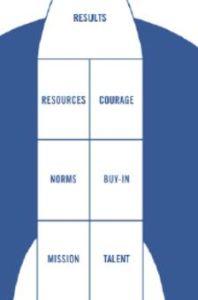
The Rocket Model outlines the factors that are crucial to a team’s performance and results.


Summary availability: Worldwide
Recommendation
The “Rocket Model” approach to team-building takes into account the team’s context, mission, talent, norms, resources, courage, and results. The context in which a team performs, which includes customers, competitors, and government regulators, has a profound impact on the way it functions – and whether it’s dynamic and ultimately successful. As Gordy Curphy and Dianne Nilsen explain, the Rocket Model team-building approach is “diagnostic” and is designed to help you identify your team’s strengths and weaknesses. It’s also meant to help team leaders develop strategies that will improve their team’s performance without micromanagement.
Summary
About the Authors
Gordy J. Curphy, PhD, heads Curphy Leadership Solutions, where Dianne Nilson, PhD, is managing partner. Curphy has written 19 books and numerous academic articles on leadership and teams, including Leadership: Enhancing the Lessons of Experience, co-authored by Richard L. Hughes and Robert C. Ginnett. Nilson is the lead author of the Center for Creative Leadership’s Executive Dimension.
Comment on this summary