Skip navigation
The Talent Powered Organization
Book

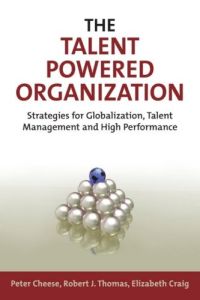
The Talent Powered Organization

Strategies for Globalization, Talent Management and High Performance

Kogan Page, 2007 更多详情

Buy the book


Editorial Rating

7

getAbstract Rating

  • Applicable

Recommendation

You don’t need to be a genius to figure out that your company’s performance depends on your employees. But Peter Cheese, Robert J. Thomas and Elizabeth Craig maintain that having the right people is only part of the formula for achieving organizational affluence. They say good companies know how to get the most from their talented people and keep them motivated. The authors discuss the pivotal role of line managers in employee retention, performance and job satisifcation. They offer a thoughtful overview (if less generally original content) covering new findings in the field, including solid case histories and analyses of recent surveys and polls. getAbstract believes managers will find value in this thorough exposition of how to recruit, engage, guide and motivate talented staff members.

Summary

Making Talent a Priority

Your organization’s long-term growth and prosperity requires identifying the skills and attributes you need your employees to have, and then bringing the right individuals into the fold. Once you master those challenges, you need to take an additional step. Establishing and maintaining a competitive advantage depends on your ability to manage, develop, motivate and deploy your talented people. That is not so easy, especially when you consider how the business world is evolving.

Although the global workforce is diverse and expanding, particularly in China and India, the world’s talent pool is shrinking. One study indicates that the U.S. will fall short by 17 million skilled workers over the next 20 years as experienced baby boomers leave the workplace. The battle for talent is fierce and complicated. Younger employees can be more selective about their prospective employers. They can demand higher salaries, better benefits and an improved work-life balance. At the same time, they are less loyal and more likely to take advantage of the next great opportunity, even just a couple of years down the line.

Although a recent Gallup poll indicated...

About the Authors

Peter Cheese is managing director of an international consultancy’s “Human Performance” practice. Robert J. Thomas is executive director of the company’s performance training institute. Elizabeth Craig is a research fellow with the company.


Comment on this summary

  • Avatar
  • Avatar
    Q. X. 1 decade ago
    亲爱的shenghua chu,

    您好,我们暂时还没有计划推出KNOW-HOW的中文版,您可以阅读我们书库中其他关于“领导力与管理”的书摘,例如“12条”等。

    益得书摘

More on this topic

Related Skills

AI Transformation
Be Emotionally Intelligent
Become More Adaptable
Build and Maintain Well-Being
Career
Develop the Organization
Digital Transformation
Drive Team Performance
Enable Digital Organization
Human Resources
Innovate Strategically
Innovation
Lead Strategically
Lead Yourself
Leverage AI for HR
Leverage AI in Your Daily Tasks
Live Well
Manage Performance
Manage Remuneration
Personal Growth
Promote Diversity, Equity, and Inclusion
Soft Skills
Understand Innovation
Workplace Skills
Understand Organizations
Measure L&D Impact
Motivate Yourself
Manage Change
Support Internal Mobility
Use AI for Workforce Planning
Use AI for Learning and Upskilling
Develop Team Members
Implement Coaching Programs
Leverage L&D Technology
Support Employees’ Well-being
Age Well
Identify Your Strengths
Enhance Employee Experience
Mentor Employees
Design Incentive Structures
Drive Organizational Performance
Build Digital Culture
Manage Learning and Development
Develop Your Thinking Skills
Motivate Your Team
Use AI for Learning & Development
Leverage Ambidexterity
Conduct Employee Surveys
Identify Skills Gaps
Recruit Diverse Talent
Coach People
Build Your Employer Brand
Management
Pursue Lifelong Learning
Create Learning Experiences
Executive Leadership
Cultivate a Growth Mindset
Become a Self-Driven Learner
Leverage Social Learning
Understand Human Behavior
Understand Motivation
Retain Employees
Manage Employee Relations
Implement Training Programs
Search for a Job
Understand Organizational Learning
Adopt a Learning Habit
Leverage Employee Resource Groups
Find Meaning
Leadership
Attract and Recruit Talent
Shape Organizational Culture
Develop Leaders
Reskill and Upskill Employees
Use AI for Talent Sourcing
Create a Hiring Strategy
Place Talent Strategically
Understand Learning
Manage People and Talent
Manage Talent
Promote a Learning Culture
Drive Employee Engagement