Skip navigation
TLC at Work
Book

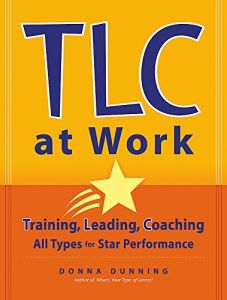
TLC at Work

Training, Leading, Coaching All Types for Star Performance

Davies-Black Publishing, 2004 more...

Buy the book


Editorial Rating

6

getAbstract Rating

  • Applicable

Recommendation

If you are responsible for training or developing other people, if you are in a leadership role or if you simply want to accelerate your career development, getAbstract recommends Donna Dunning’s book as your personal study guide. The author utilizes her 20 plus years of experience in employee development to identify succinctly the five basic competencies everyone needs to succeed. Going a step deeper than the usual treatment, she recognizes that individuals who want to develop a particular competency may not understand what mastering that competency looks like. For example, what does "mindfulness" look like? Can you see mindfulness? Not really. But you can see the results of mindful behavior. Dunning focuses on identifying specific behaviors that demonstrate each competency so anyone who wants to develop a skill knows exactly what to do. Then she takes the process still further, identifying how personality types and preferences have an impact on the development of each of the five basic competencies. She shows facilitators how to work most effectively with each personality type to develop individuals to their full potential in a collaborative manner with the least amount of frustration and resistance.

Summary

Make Your Relationships Real

To help other people develop their workplace skills and competencies, build real relationships with them. Take a genuine interest. People can see through fake, insincere or half-hearted efforts. Be real. Conduct yourself professionally and demonstrate the behaviors you want to see. Set a good example by focusing on your self-development. Maintain confidentiality and be clear about how you will use – or not use – anything you learn during the development process. Explain who else will have access to that information. Balance the personal issues affecting your clients with their job responsibilities.

Learn as much as you can about your own – and your client's – personality type and natural preferences, so that you can truly understand both perspectives and appreciate the client's inherent strengths and weaknesses. Capitalize on his or her strengths by developing the client's five basic competencies. Aligning the way you work to fit the individual's preferences will increase your effectiveness, foster the client's development and help the organization.

Identify Specific Behaviors

The best way to develop a particular competency...

About the Author

Donna Dunning is a certified human resources professional with more than 20 years of experience in employee development. She is the director of Dunning Unlimited, a consulting firm that specializes in work performance, learning and career development. She is also the author of What’s Your Type of Career? and a member of the APT MBTI® International Training Faculty.


Comment on this summary

More on this topic

Related Skills

AI Transformation
Career
Convert Prospects
Drive Team Performance
Executive Leadership
Foster a Culture of Innovation
Foster Team Culture
Human Resources
Increase Your Cultural Awareness
Innovation
Lead Ethically
Lead Strategically
Leverage AI for Leadership
Live Well
Manage Corporate Communications
Manage Learning and Development
Manage Performance
Manage Teams and Departments
Management
Marketing
Master Collaboration
Navigate Leadership Challenges
Place Talent Strategically
Promote Diversity, Equity, and Inclusion
Sales
Shape Organizational Culture
Strengthen Your Digital Literacy
Understand Organizations
Communicate Effectively
Implement Executive Coaching
Live Intentionally
Manage Up
Plan Your Career
Understand Human Behavior
Be Emotionally Intelligent
Act Ethically
Conduct Performance Reviews
Adopt a Learning Habit
Practice Humility
Understand Cultural Differences
Become More Adaptable
Enhance Employee Experience
Promote a Learning Culture
Evaluate Employees
Overcome Challenges
Manage Internal Communication
Ask Questions
Assess Your Skillset
Build Useful Habits
Develop Self-Mastery
Implement Coaching Programs
Deal with Difficult People
Manage Change
Build Confidence
Build Your Resilience
Collaborate Virtually
Decide Under Uncertainty
Take Personal Accountability
Cultivate Self-Discipline
Navigate Uncertainty
Practice Transformational Leadership
Understand Learning
Work Remotely
Excel at Conversations
Drive Organizational Performance
Cultivate a Growth Mindset
Manage Your Time
Build Psychological Safety
Develop Team Members
Promote Neuro-Inclusion
Support Team Members’ Careers
Manage Your Leadership Impact
Understand Yourself
Advance Your Career
Communicate Inclusively
Provide Feedback
Use AI for Coaching and Development
Embrace Challenges
Foster Open Communication
Foster Ownership in Others
Identify Your Development Needs
Develop Your Thinking Skills
Manage Your Personal Reputation
Practice Self-Care
Build and Maintain Well-Being
Master B2B Sales
Gain People's Trust
Think Critically
Workplace Skills
Dare to be Vulnerable
Manage People and Talent
Strengthen Team Collaboration
Build Your Presence
Understand Organizational Behavior
Resolve Conflicts
Cultivate Curiosity
Master Public Speaking
Persuade Effectively
Coach People
Find Meaning
Become a Self-Driven Learner
Understand Team Dynamics
Become a Mentee
Develop Self-Awareness
Make Good Decisions
Understand Cognition
Build Prospect Rapport
Communicate Across Cultures
Communicate Strategically
Be Coachable
Personal Growth
Adapt Communication Style
Influence Others
Cultivate Flexibility
Mentor Employees
Embrace Change
Show Empathy and Compassion
Listen Well
Be Authentic
Leadership
Communicate with Stakeholders
Communicate Non-Verbally
Manage Employee Relations
Lead Yourself
Communicate Clearly
Navigate Office Politics
Understand Communication
Optimize Workforce Performance
Soft Skills
Manage Team Communication
Practice Servant Leadership
Practice Mindfulness
Facilitate Discussions
Master Interpersonal Skills
Build Strong Relationships
Become More Productive
Navigate Difficult Conversations
Understand Personality Types