
Skip navigation
Widgets
Book

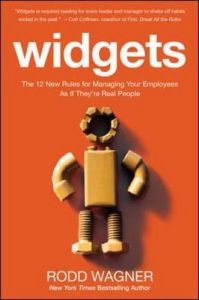
Widgets

The 12 New Rules for Managing Your Employees as If They’re Real People

McGraw-Hill, 2015 more...

Buy the book


Editorial Rating

8

getAbstract Rating

  • Applicable

Recommendation

Employee engagement expert Rodd Wagner accurately diagnoses the troublesome state of the modern-day workplace and offers sensible, long-term solutions for employee engagement. After the turmoil of the recession, employees are wary. Employers must guarantee stability if they expect employees to be loyal. To re-establish connection, Wagner suggests organizations start by treating their workers like people instead of “things” or statistics. A healthy dose of humanity can do wonders to repair the damage some companies inflict on their workforces. Wagner anchors his material around 12 logical rules that getAbstract recommends to executives and managers.

Summary

Reciprocity Is Key

Understanding the principle of reciprocity is pivotal for leaders who want to engage their employees. Employees will work harder and be more loyal if they believe their employer is investing in their well-being. Absent that encouragement, resentful employees will underperform and eventually seek other professional options. The recession permanently tilted the playing field. Employees who felt betrayed by threats of layoffs can no longer count on financial security from their employers; they need other reasons to stay motivated and find fulfillment. These “12 new rules” provide a map employers can follow to inculcate honest, effective engagement.

1. “Get Inside Their Heads”

In this egocentric age of Facebook and Instagram, employees expect employers and colleagues to treat them as unique individuals. Everyone has different needs and abilities. The employer’s job is to lead and manage people according to their distinct qualities. In the best-case scenario, every employee should be “recognized as a category of one.”

Direct supervisors must ensure that their staffers have a meaningful, pleasant work experience. Employees invariably say ...

About the Author

Rodd Wagner, BI Worldwide’s vice president of employee engagement strategy, is an expert on personal effectiveness in the workplace.


Comment on this summary

  • Avatar
  • Avatar
    J. W. 8 years ago
    I think the best take away from this Segway is that there is greater value in voicing appreciation and promoting continuation in the selected field as well as taking a direct and personal investment into the employees promotional characteristics than you will ever get by just a financial gesture; however both of these need to be in harmony or you will get the same negative result at some point.
  • Avatar
    D. G. 1 decade ago
    "Your people are not your greatest asset. They’re not yours, and they’re not assets.” A powerful phrase and one which leadership and management would do well to understand. I'd be interested to know if the book deals with what behaviours and skills a leader needs to retain in order to effectively apply and execute the 12 Rules.

More on this topic

Related Skills

Advance Your Career
Be Creative
Become More Adaptable
Career
Communicate Effectively
Develop Innovative Products
Enhance Customer Experience
Entrepreneurship
Human Resources
Innovation
Lead Ethically

Make Good Decisions
Manage Change
Manage Corporate Communications
Manage Learning and Development
Manage Performance
Management
Marketing
Plan and Strategize Your Sales
Promote Diversity, Equity, and Inclusion

Sales
Workplace Skills
Age Well
Create a Sense of Belonging
Cultivate a Growth Mindset
Eat Healthily
Increase Your Cultural Awareness
Lead Inclusively
Live Intentionally
Manage Your Leadership Impact
Navigate Leadership Challenges
Embrace Challenges
Motivate Your Team
Coach People
Manage Remuneration
Shape Organizational Culture
Understand Organizational Culture
Delegate Effectively
Practice Humility
Foster a Culture of Innovation
Engage in Job Crafting
Leverage Employee Resource Groups
Live Sustainably
Take Group Decisions
Champion New Ideas
Develop Team Members
Develop Your Thinking Skills
Navigate Office Politics
Promote Generational Inclusion
Place Talent Strategically
Promote Neuro-Inclusion
Be Authentic
Personal Growth
Conduct Employee Surveys
Find Meaning
Understand Social Behavior
Lead Remote or Hybrid Teams
Understand Organizations
Manage Corporate Reputation
Work Remotely
Deliver Exceptional Service
Lead Yourself
Dare to be Vulnerable
Improve Team Performance
Be Emotionally Intelligent
Build an Inclusive Culture
Understand Leadership Approaches
Future of Work
Overcome Challenges
Support Employees’ Mental Health
Develop Self-Awareness
Build Strong Relationships
Practice Transformational Leadership
Understand Personality Types
Executive Leadership
Foster Open Communication
Pursue Excellence
Manage Teams and Departments
Practice Servant Leadership
Soft Skills
Understand Organizational Behavior
Understand Yourself
Build Your Resilience
Leadership
Set Team Goals
Foster Ownership in Others
Manage Your Personal Reputation
Define Roles
Facilitate Group Ideation
Set Boundaries
Develop Grit
Support Employees’ Well-being
Build a Shared Vision
Cultivate Positivity
Get Physically Fit
Collaborate Across Functions
Manage People and Talent
Sleep Well
Collaborate Creatively
Facilitate Discussions
Show Empathy and Compassion
Manage Stress
Lead through Change
Build Psychological Safety
Mentor Employees
Understand Motivation
Motivate Yourself
Gain People's Trust
Manage Team Boundaries
Enhance Team Agility
Master Interpersonal Skills
Offer Flexible Work Arrangements
Manage Employee Relations
Support Others
Enhance Employee Experience
Foster Collaboration
Understand Team Dynamics
Find Your Purpose
Practice Gratitude
Reward Employee Contributions
Maintain Work-Life Balance
Master Collaboration
Drive Team Performance
Improve Your Mental Health
Manage Sales Teams
Communicate Transparently
Understand Human Behavior
Live Well
Build and Maintain Well-Being
Strengthen Team Collaboration
Foster Team Culture
Build Team Cohesion