




Haz clic con el botón derecho del ratón para copiar la imagen.
Nota: En un portal ASP, ¡el enlace del código es específico del portal!
Recommendation
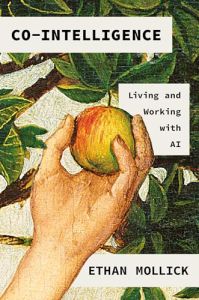
Large Language Model forms of artificial intelligence, like ChatGPT, don’t behave like the machines of years past, business professor Ethan Mollick writes. Interacting with them, you feel that you’re dealing with something profoundly new — a “co-intelligence” — that will radically alter industry, education, creativity, and more. General purpose technologies like generative AI are akin to the invention of the steam engine or the internet, Mollick explains. And while no one knows exactly how generative AI will develop or change humanity, this book offers an intriguing overview of the possibilities.
Summary
About the Author
Ethan Mollick is a professor of management at the Wharton School at the University of Pennsylvania. He specializes in entrepreneurship and innovation. He has written for Forbes, The New York Times, and The Wall Street Journal.
By the same author
Learners who read this summary also read
Related Skills

Descubre casos de uso de IA

Impulsar la transformación de IA

Emprendimiento

Liderazgo

Aprovechar la IA para el liderazgo

Aprovechar la IA para el marketing

Aprovechar la IA para el desarrollo de productos

Mercadotecnia

Habilidades para el lugar de trabajo

Impulsar la adopción de IA en los equipos

Transformación de IA

Utiliza IA para la creación de imágenes y videos

Comprender el impacto ético de la IA

Plan de Transformación de la Fuerza Laboral de IA

Entender la IA

Usa la IA de manera ética como líder

Utiliza la IA para la productividad personal

Aprovecha la IA en tus tareas diarias

Usar la IA de forma ética

Utiliza la IA para la escritura y la comunicación

Descubre casos de uso de IA en el sector educativo

Guiar a los equipos a través de la transición hacia la IA

Utiliza IA para generar contenido de marketing

Utiliza la IA para generar ideas

Entender el impacto de la IA en el trabajo

Entender la IA generativa

Comment on this summary