
Saltar la navegación
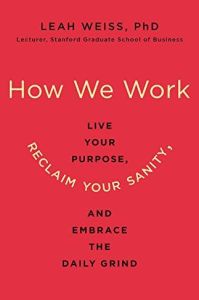
How We Work
Book

How We Work

Live Your Purpose, Reclaim Your Sanity and Embrace the Daily Grind

Harper Wave, 2018 más...

Buy the book


Editorial Rating

7

getAbstract Rating

  • Eloquent
  • Hot Topic
  • Engaging

Recommendation

Based on her popular course at Stanford University’s Graduate School of Business, corporate leadership consultant and professor Leah Weiss offers a clear, thoughtful guide that helps you understand how mindfulness can assist you in finding purpose, reflecting on failure and bettering your work life. Mindfulness lets you recognize when your attention strays and allows you to guide it back with intention. It helps you develop soft skills such as compassion and teamwork. Mindfulness training enables employees and leaders to support one another, challenge the status quo, embrace “radical transparency” and grant the “whole self” space at work.

Summary

The “toxic workplace” refers to toxic expectations.

In the 1980s, toxic workplaces referred to office buildings with poor air quality due to bad ventilation and harmful substances in the environment. Changes to make buildings more “green” improved employees’ overall well-being at work, but these changes didn’t address another toxic element: stress.

Many Americans work too much because they think that busyness grants status. However, that status comes at a cost – as high rates of addiction, obesity, divorce, depression, anxiety, loneliness and burnout attest.

A toxic workplace favors those who push others aside to get ahead, because productivity and profit matter more than employee satisfaction.

In 2008, during the financial crisis, the Harvard Business School created a Hippocratic Oath for Managers. The oath, however, didn’t explain how managers can become better leaders. Ethics classes provide guidance, but courses in soft skills that require critical thinking are even more useful as they teach you how to collaborate and exhibit strong emotional intelligence. Mindfulness helps develop these skills; it can improve...

About the Author

Researcher, professor, consultant and author Leah Weiss, PhD, teaches compassionate leadership at the Stanford Graduate School of Business. She is the principal teacher and founding faculty for Stanford’s Compassion Cultivation Program, conceived by the Dalai Lama.


Comment on this summary

More on this topic

Related Skills

Sea creativo
Conviértase en un aprendiz autodirigido
Sea más adaptable
Sea más productivo
Comuníquese eficazmente
Transformación digital
Drive Team Performance
Enhance Cybersecurity
Fomente una cultura de innovación
Recursos humanos
Innovación
Lidere con ética
Administración
Crecimiento personal
Promueva la diversidad, equidad e inclusión
Strengthen Team Collaboration
Habilidades para el lugar de trabajo
Cree sentido de pertenencia
Promueva la neuroinclusión
Practice Transformational Leadership
Fomente la experimentación
Lidere de forma inclusiva
Sea agradecido
Foster Team Culture
Comprenda las emociones
Genere confianza
Comprenda la cultura organizacional
Build Security Culture
Gestione las relaciones con los empleados
Facilite la ideación grupal
Lidérese a sí mismo
Desarrolle su resiliencia
Dé forma a la cultura organizacional
Liderazgo ejecutivo
Establezca límites
Cultive la positividad
Gánese la confianza de la gente
Compréndase a sí mismo
Mejore la experiencia de los empleados
Sea auténtico
Gestione sus emociones
Viva con intención
Viva Bien
Controle el estrés
Domine habilidades interpersonales
Apoye la salud mental de los empleados
Comuníquese de forma transparente
Construya una cultura inclusiva
Desarrolle la determinación
Desarrolle la autoconciencia
Defina los valores fundamentales
Asuma su responsabilidad personal
Supere las dudas sobre uno mismo
Habilidades blandas
Liderazgo
Cultive la autodisciplina
Practique la humildad
Apoye el bienestar de los empleados
Mejore su enfoque
Practique el liderazgo servicial
Sea emocionalmente inteligente
Supere el síndrome del impostor
Construya y mantenga el bienestar
Aprenda de la experiencia
Mejore su salud mental
Cultive una mentalidad de crecimiento
Promueva la tolerancia al fracaso
Construya seguridad psicológica
Desarrolle el autodominio
Encuentre su propósito
Demuestre vulnerabilidad
Muestre empatía y compasión
Encuentre significado
Practique la atención plena
Abrace el fracaso inteligente