
Únete a getAbstract para acceder al resumen.
Únete a getAbstract para acceder al resumen.
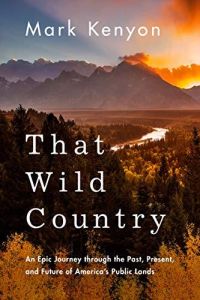
Mark Kenyon
That Wild Country
An Epic Journey through the Past, Present, and Future of America’s Public Lands
little a, 2019
¿De qué se trata?
An outdoorsman traces the history of US public lands and describes his adventures in the wild.


Disponibilidad del resumen: todo el mundo excepto Canada
Recommendation
Outdoor enthusiast Mark Kenyon offers a love letter to the American wilderness. He shows how the nation’s treatment of its wilderness areas has zigzagged between exploitation and conservation. He focuses on conservation in this inspirational account of the leaders, writers and activists who worked to preserve America’s majestic vistas. In this travelogue and history, Kenyon details how Theodore Roosevelt and other conservationists crafted the public land system despite commercial opposition, and he describes the ongoing conflict between conservation and development. Kenyon, a hunter and outdoor enthusiast, also shares his adventures in US national parks and wildlife refuges.
Summary
About the Author
Mark Kenyon is host of the Wired to Hunt podcast. His work has appeared in Outdoor Life and Field & Stream.


Comment on this summary