
Ignorer la navigation
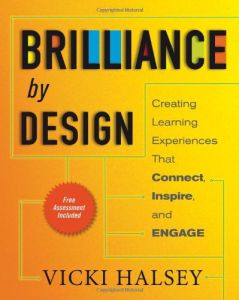
Brilliance by Design
Book

Brilliance by Design

Creating Learning Experiences That Connect, Inspire, and Engage

Berrett-Koehler, 2011 plus...

Buy the book


Editorial Rating

8

getAbstract Rating

  • Applicable

Recommendation

Today’s learners want interactive content rather than traditional lectures. To that end, educator Vicki Halsey outlines her “Brilliance Learning System,” featuring several models that upend traditional methods. She outlines the “70/30 Principle,” which makes students responsible for their own learning. She says students (not teachers) should talk 70% and listen 30% of the time. Teachers should spend 70% percent of their time delivering content and only 30% on content design. Finally, students must practice new skills with 70% of their time after spending 30% learning them. Halsey also gives teachers the “ENGAGE” model for delivering meaningful, real-world content. For example, she urges teachers to create a positive first impression by sending pre-learning information to students before class to get them going. Other techniques for reaching students include using colorful visual aids, playing games and catering to different learning styles. Halsey also applies the model to virtual teaching. Her book is a great how-to manual but needs extra real-world examples, which would make it more interesting to read. getAbstract recommends her insights to teachers, corporate learning officers, coaches and other instructors.

Summary

“The Brilliance Learning System”

Teachers can use the three-part Brilliance Learning System in any educational setting, including traditional classrooms, workshops, speeches and virtual teaching. Its three elements focus on content (what you teach), learners (who you teach) and strategy (how you teach).

The system uses the “70/30 Principle,” which suggests flipping the focus of a traditional classroom, “rebalancing the learning equation and reframing the mind-set of the teacher.” Usually, a teacher stands at the front and lectures, which is only exciting for the teacher. Talking at students bores them, but conversation engages them. This principle says:

  1. Students should “do 70% of the talking and 30% of the listening” – Teachers should talk less and let learners take ownership of their learning.
  2. Teachers should spend 70% of their prep time on “learning design” – They should spend only 30% of their energy on the “content they will teach.” This focuses teachers on delivery goals rather than content development. What core messages do you want students to learn? What activities will solidify crucial...

About the Author

The vice president of Applied Learning at The Ken Blanchard Companies, Vicki Halsey, has 20 years of experience as a teacher and school administrator. She is a writer, speaker and coach.



Comment on this summary

More on this topic

Related Skills

Faire progresser sa carrière
Apprendre à s'adapter
Carrière
Develop Team Members
Secteur de l'éducation
Améliorer l'expérience de ses employés
Direction exécutive
Ressources Humaines
Innovation
Diriger de façon éthique
S’auto-diriger
Manage Learning and Development
Manage People and Talent
Perspectives de marché par secteur
Marketing
Savoir collaborer
Développer ses compétences interpersonnelles
Navigate Leadership Challenges
Développement personnel
Compétences relationnelles
Strengthen Team Collaboration
Renforcer sa culture numérique
Comprendre l'innovation
Comprendre les organisations
Compétences professionnelles
Être coachable
Savoir coacher
Mettre en œuvre le coaching des cadres
Bonnes pratiques du secteur de l'éducation
Tirer parti de l'apprentissage social
Work Remotely
Améliorer sa maîtrise de soi
Comprendre l'apprentissage
Organiser des réunions efficaces
Diriger des équipes distantes ou hybrides
Pratiquer le Servant Leadership
Communiquer numériquement
Communiquer efficacement
Exceller dans l'art de la conversation
Gérer l'impact de son leadership
Comprendre l'apprentissage organisationnel
Leadership
Développer un état d'esprit de croissance
Faciliter le brainstorming de groupe
Oser se montrer vulnérable
Maîtriser le content marketing
Prendre la parole en public
Faire une présentation en personne
Créer des expériences d'apprentissage
Se faire accompagner par un mentor
Améliorer la collaboration virtuelle
Susciter l'engagement des employés
Prendre l'habitude d'apprendre
Apprendre par soi-même
Utiliser la gamification
Promouvoir une culture de l'apprentissage
Faire une présentation virtuelle