
Ignorer la navigation
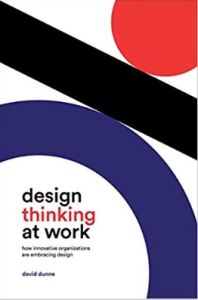
Design Thinking at Work
Book

Design Thinking at Work

How Innovative Organizations are Embracing Design

University of Toronto Press, 2018 plus...

Buy the book


Editorial Rating

8

getAbstract Rating

  • Applicable
  • Well Structured
  • Overview

Recommendation

More than ever, executives seek creativity and innovation from their teams. Their greatest hope that their teams will discover a disruptive breakthrough that can dominate their industries. Their greatest fear is to find themselves on the wrong end of disruption. David Dunne, a foremost expert in the field, explains the advantages of design thinking: advance warning of future disruption, a stream of incremental improvements to existing products and even game-changing innovation. But, he warns, design thinking works only if you understand it well and apply it with patience. Unlike many authors who extol the wonders of design and creativity, Dunne doesn’t cheerlead. He offers a sober assessment, including the common mistakes leaders make and the ongoing difficulty of making true design thinking succeed and endure in organizations. Leaders should embrace this slim volume, including the high-level steps they must take to overcome the common pitfalls that undermine design thinking initiatives. 

Summary

Difficult Magic

Design thinking focuses on users finding solutions that meet their needs while driving business value. Successful design thinking demands creativity and systems thinking. Design thinking helps you identify business problems and generate creative solutions through iterative development that involves feedback, experimentation and reflection. Outcomes often produce novel, creative and practical solutions – sometimes even industry-changing breakthroughs – but still must survive organizational processes. Design thinking requires patience and long-term commitment from designers, the organization and its leaders. 

The Design Process

When innovator Gerwin Hoogendoorn reinvented the umbrella, he didn’t conduct market research or study umbrella history. He took umbrellas apart and experimented by reconstructing them in different ways. He drew pictures, pieced together prototypes, tested those prototypes in harsh weather and talked with people who tested them for him. He considered his results before starting the process...

About the Author

David Dunne worked with Roger Martin and other thought leaders at the Rotman School of Management in Toronto and teaches design thinking at the University of Victoria in British Columbia.


Comment on this summary

  • Avatar
  • Avatar
    J. M. 2 years ago
    Very good
  • Avatar
    L. S. 3 years ago
    Examples are nice reminder to rethink design principles at lab.
  • Avatar
    R. T. 5 years ago
    Excellent summary - it makes some key considerations in getting this to work in an organizational setting to achieve a meaningful business impact. And the alternative doesn't bear thinking about. It's so important to avoid the kind of "innovation theatre" that design thinking can give rise to in the place of meaningful and sustained innovation.

More on this topic

Related Skills

Faire progresser sa carrière
AI Transformation
Développer son intelligence émotionnelle
Apprendre à s'adapter
Carrière
Développer son organisation
Transformation numérique
Drive AI Transformation
Enable Digital Organization
Assurer la qualité de la production
Création d’entreprise
Execute Digital Operations
Ressources Humaines
Diriger la planification opérationnelle
Gérer le changement
Manage Learning and Development
Gérer la rémunération
Management
Savoir collaborer
Navigate Leadership Challenges
Développement personnel
Production et logistique
Compétences relationnelles
Comprendre l'innovation
Compétences professionnelles
Drive AI Adoption in Teams
Faciliter le brainstorming de groupe
Développer sa créativité
Encourager la collaboration interfonctionnelle
Cultiver la curiosité
Développer sa capacité de réflexion
Strategize Digital Transformation
Utiliser l’Open Innovation
Strengthen Team Collaboration
Foster Team Culture
Développer un état d'esprit de croissance
Appliquer la méthode Kaizen
Build Digital Culture
Direction exécutive
Maîtriser l'approche systémique
Gérer l'innovation produit
Améliorer l'expérience de ses employés
Promouvoir la créativité
Défendre les idées nouvelles
Leadership
Proposer des programmes de coaching
Promouvoir la collaboration
Développer la tolérance à l'échec
Comprendre la créativité
Remettre en question les hypothèses
Encourager l'amélioration continue
Conduire le changement
Utiliser le Lean Startup
Piloter le développement produit
Se lancer dans l'intrapreneuriat
Miser sur l'ambidextrie organisationnelle

Innovation
Penser autrement
Organize for AI
Mettre en place la méthode agile
Prototyper et tester les idées
Façonner la culture d'entreprise
Collaborer avec créativité
Promouvoir une culture de l'innovation

Générer des idées
Aménager l'espace de travail
Encourager l'expérimentation
Drive Team Performance
Concevoir des produits innovants
Concevoir des programmes d'incitation
Structurer l'innovation
Innover stratégiquement
Changer de perspective
Utiliser le Design Thinking