




Cliquez sur le code avec le bouton droit de la souris pour copier l'image.
Remarque : Sur un portail ASP, le lien mentionné à côté du code est spécifique au portail !
Recommendation
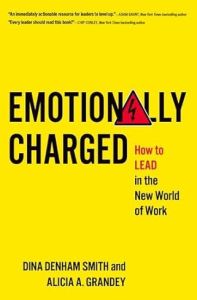
Leaders generally discourage emotions at work, insisting that feelings and logic are incompatible. But research says otherwise, because emotions inform decisions and shape interactions. As people seek meaningful work, they need leaders who can engage emotionally. To prioritize engagement while maintaining a budget, leaders must understand “emotional labor,” the value of emotions at work, and the health costs of suppressing emotions. Amid intrusive technolgy and the tensions around DEI, leaders must be empathetic and authentic. To respond to that need, leadership experts Dina Denham Smith and Alicia Grandey provide emotion-related tools that can help foster better workplace relations and enhance employees’ well-being.
Summary
About the Authors
Dina Denham Smith is the founder and CEO of Cognitas. Alicia A. Grandey, PhD, is a professor in Pennsylvania State University’s industrial-organizational psychology program.
Learners who read this summary also read
Related Skills

Compétences relationnelles

Développer son intelligence émotionnelle

Favoriser la culture d'équipe

Transformation par l'IA

Communiquer efficacement

Avenir du travail

Promouvoir une culture de l'innovation

Ressources Humaines

Innovation

Gérer les relations avec les employés

Savoir collaborer

Développer ses compétences interpersonnelles

Naviguer dans les défis de leadership

Développement personnel

Promouvoir la diversité, l'équité et l'inclusion

Comprendre l'IA

Compétences professionnelles

Comprendre les émotions

Travailler à distance

Prendre soin de soi

Construire et entretenir le bien-être

Bien vivre

Résoudre les conflits

Composer avec les personnes difficiles

S’auto-diriger

Comprendre l'impact de l'IA sur le travail

Améliorer sa santé mentale

Nouvelles technologies de travail

Leadership

Faire preuve d’empathie et de compassion

Gérer les conversations difficiles

Renforcer la sécurité psychologique

Impact de la technologie sur le travail

Gérer ses émotions

Comment on this summary