
Rejoignez getAbstract pour lire le résumé !
Rejoignez getAbstract pour lire le résumé !
Lina M. Echeverría
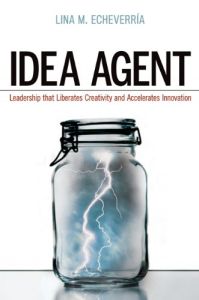
Idea Agent
Leadership that Liberates Creativity and Accelerates Innovation
AMACOM, 2013
Aperçu
Can the right leader help you be more creative?


Disponibilité du résumé : mondiale
Recommendation
Lina M. Echeverría worked in science and technology for decades, doing research and leading teams of scientists. Her experience adds practical substance to her emphasis on humility, humanity and personal growth. Many of her ideas on leading innovation will be familiar, but her focus on science and her advocacy of a holistic understanding of your co-workers and team members are innovative. Echeverría’s examples from her decades at Corning, a leading manufacturer of glass and ceramics, prove useful. getAbstract recommends her singular viewpoint to leaders, innovators and managers who are responsible for spurring innovation.
Summary
About the Author
Innovation leadership consultant Lina M. Echeverría pursued research and managed scientific researchers at Corning.
Learners who read this summary also read
Related Skills
































Comment on this summary