
Ignorer la navigation
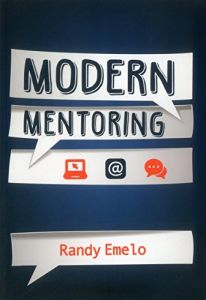
Modern Mentoring
Book

Modern Mentoring

ATD, 2015 plus...

Buy the book


Editorial Rating

6

getAbstract Rating

  • Background
  • Concrete Examples

Recommendation

Conventional mentoring has a laudable goal: Match a junior employee with someone senior who can show him or her the ropes and lend a hand with career development. Unfortunately, since most organizations have too few traditional mentors, only a small number of junior employees benefit from a typical mentoring program.“Modern mentoring” replaces conventional one-on-one mentoring with learning groups, in which everyone can be a mentor or adviser – and everybody is a learner. Author Randy Emelo, pioneer of “e-mentoring technology,” could have gone into more detail about how to implement such programs – after all, “sharing experience for the sake of mutual benefit” isn’t all that novel an idea –, but getAbstract likes his approach and recommends it to corporate trainers, HR managers and executives involved in professional development.

Summary

Traditional Mentoring

In most organizations, conventional mentoring benefits only 1% of employees. Yet the basic premise of traditional mentoring – assisting employees in building their careers – is admirable.

Mentoring within corporations expanded during the 1980s. Its goal was to promote diversity and inclusion for female and minority employees. The idea was to form partnerships between a top executive and an employee, often a woman or minority or both. The experienced leader could help the protégé develop professionally and move up through the organization’s ranks.

Traditional mentoring is a one-on-one, face-to-face, long-term activity. Only a small number of individuals qualify as traditional mentors. Yet many people have knowledge of one sort or another that they could teach others. Someone who learns only from one other person – an appointed mentor – may face limited information and options.

“Modern Mentoring”

Anyone with workplace knowledge can be a mentor and educate others. Modern mentoring serves everyone. It can transform the organizations that embrace it, but it requires companies to adopt a new mind-set about mentoring.

Modern...

About the Author

Randy Emelo is president and CEO of River, which publishes modern mentoring and social learning software.


Comment on this summary

More on this topic

Related Skills

Faire progresser sa carrière
AI Transformation
Développer son intelligence émotionnelle
Carrière
Communiquer efficacement
Développer son organisation
Transformation numérique
Avenir du travail
Enable Digital Organization
Execute Digital Operations
Ressources Humaines
Innovation
Leverage AI for Leadership
Bien vivre
Manage Learning and Development
Management
Développer ses compétences interpersonnelles
Promouvoir la diversité, l'équité et l'inclusion
Chercher un emploi
Compétences relationnelles
Compétences professionnelles
Strengthen Team Collaboration
Soutenir le développement des leaders
Développement personnel
Améliorer l'expérience de ses employés
Build Digital Culture
Promouvoir une culture de l'innovation
Use AI for Coaching and Development
Faciliter le brainstorming de groupe
Manage People and Talent
Exceller dans l'art de la conversation
Créer un sentiment d'appartenance
Tirer parti des Groupes de Ressources pour les Employés
Nouvelles approches de leadership
Prendre l'habitude d'apprendre
Se former tout au long de la vie
Développer sa capacité de réflexion
Promouvoir une culture de l'apprentissage
Apprendre par soi-même
Assurer le mentorat des employés
Mettre à jour les compétences des employés
Leadership
Tirer parti de l'apprentissage social
Se faire accompagner par un mentor
Savoir coacher
Réseauter stratégiquement
Mettre en place la méthode agile
Soutenir les carrières de ses collaborateurs
Nouer des relations solides
Promouvoir l'inclusion générationnelle
Develop Team Members
Proposer des programmes de mentorat