
Перейти к содержанию сайта
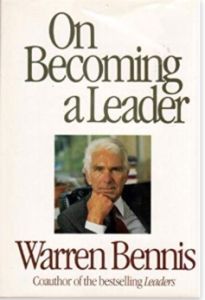
On Becoming a Leader
Book

On Becoming a Leader

Perseus Books, 1989
First Edition: 1899 подробнее...

Buy the book


Editorial Rating

9

getAbstract Rating

  • Innovative
  • Applicable
  • Inspiring

Recommendation

In the mid-1980s, the late Warren Bennis wrote this classic model for modern leadership based on personal growth, self-expression, learning and integrity, drawing from interviews with dozens of leaders. Most importantly, he found, leaders do not seek to lead. Instead, they seek to express themselves fully. They embrace risks and mistakes, learning from adversity. They reflect on all of their experiences. With these skills, they inspire others to follow them. They turn organizations into communities which find each member’s highest potential. Bennis may have become slightly outdated, but you'll appreciate his basic, inspiring philosophy of leadership. Read this if you want to lead – and be good at it.

Summary

Leaders manage the dream by communicating a vision, recruiting carefully, rewarding, retraining and reorganizing.

Leadership rests on three key lessons: 1) Staying with the status quo won’t work, 2) The key to competitive advantage is a leader’s ability to create a social architecture that can generate intellectual capital and 3) Followers need direction, trust and hope from their leaders. Trust is pivotal for present and future leaders.

Success depends on ideas, relationships and adventure. Ideas provide the basis for change and intellectual capital. Relationships permit people to work in a harmonious, empowering environment. Adventure gives people a bias toward action, curiosity and courage. Leaders can express these ideas. They know themselves, and they learn to use their strengths to compensate for their weaknesses. They know what they want, why and how to convey those goals to gain support and how to achieve their essential purpose, their overarching vision.

Leaders agree on two basic points. First, they agree that leaders are made, not born, and made more by themselves than by the world around them. Second, they agree that leaders do not set out to prove...

About the Author

The late Warren Bennis wrote or co-wrote 19 books. A consultant for corporations and governments around the world, he was also a Distinguished Professor of Business Administration at the University of Southern California.



Comment on this summary

More on this topic

Related Skills

AI Transformation
Développer son intelligence émotionnelle
Apprendre à s'adapter
Construire et entretenir le bien-être
Concevoir des produits innovants
Avenir du travail
Drive Team Performance
Création d’entreprise
Promouvoir une culture de l'innovation
Foster Team Culture
Ressources Humaines
Bien vivre
Gérer le changement
Manage Learning and Development
Manage People and Talent
Management
Développer ses compétences interpersonnelles
Compétences relationnelles
Comprendre les organisations
Construire sa résilience
Planifier stratégiquement
Construire une vision commune
Innovation
Développer un état d'esprit de croissance
Promouvoir une culture de l'apprentissage
Susciter la confiance
Apprendre par soi-même
Oser se montrer vulnérable
Soutenir le développement des leaders
Nouer des relations solides
Renforcer la sécurité psychologique
Défendre les idées nouvelles
Développement personnel
Être coachable
Leverage AI for Leadership
Améliorer sa maîtrise de soi
Cultiver la curiosité
Diriger de façon éthique
Trouver du sens
Prendre conscience de soi
Faire preuve d’authenticité
Apprendre par l'expérience
Conduire le changement
Études de cas sur la direction exécutive
Surmonter les difficultés
Diriger stratégiquement
Nouvelles approches de leadership
Se former tout au long de la vie
Navigate Leadership Challenges
Se comprendre soi-même
Pratiquer le Servant Leadership
Comprendre les approches de leadership
S’auto-diriger
Gérer l'impact de son leadership
Apprendre à échouer intelligemment
Practice Transformational Leadership
Direction exécutive
Prendre l'habitude d'apprendre
Leadership