




Cliquez sur le code avec le bouton droit de la souris pour copier l'image.
Remarque : Sur un portail ASP, le lien mentionné à côté du code est spécifique au portail !
Recommendation
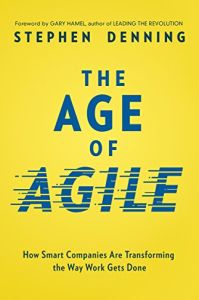
Good management practices stop working amid rapid change. For that reason, many businesses have chosen to adopt agile management practices. In 2001, the pioneers of this approach, which originated in the software development industry, created the “Manifesto for Agile Software Development,” often called the “Agile Manifesto.” This core document asserts that developers of high-quality software must abandon some of the core principles of 20th-century management to enter “the age of agile.” Management expert Stephen Denning lucidly explains the origins and principles of agile management with illustrative case studies.
Summary
About the Author
Stephen Denning worked at the World Bank for several decades in various management positions. A consultant to governments and companies, he’s written business books, many articles on management, a novel and a volume of poetry.
By the same author
Learners who read this summary also read
Related Skills

Développer son organisation

Transformation numérique

Stimuler la performance de l'équipe

Exécuter les opérations numériques

Direction exécutive

Diriger stratégiquement

Leadership

Management

Développement personnel

Apprendre à s'adapter

Mettre en place la méthode agile

Cultiver la flexibilité

Améliorer l'agilité de l'équipe

Renforcer l'orientation client

Comment on this summary