

Book
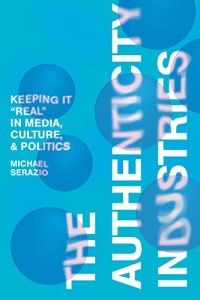
The Authenticity Industries
Keeping it "Real" in Media, Culture, and Politics



Cliquez sur le code avec le bouton droit de la souris pour copier l'image.
Remarque : Sur un portail ASP, le lien mentionné à côté du code est spécifique au portail !
Recommendation
An obsession with authenticity has pervaded various professions, including reality TV, social media, the music business, advertising, and consulting. Communications professor Michael Serazio warns that image makers who seek to convey authenticity often avoid rational persuasion. Instead, they strive to elicit emotions – such as, for example, feelings of nostalgia.
Summary
About the Author
Michael Serazio is professor of communication at Boston College. He also wrote The Power of Sports: Media and Spectacle in American Culture and Your Ad Here: The Cool Sell of Guerilla Marketing.

Comment on this summary