


1×
Connectez-vous pour écouter un résumé audio.



Cliquez sur le code avec le bouton droit de la souris pour copier l'image.
Remarque : Sur un portail ASP, le lien mentionné à côté du code est spécifique au portail !
Recommendation
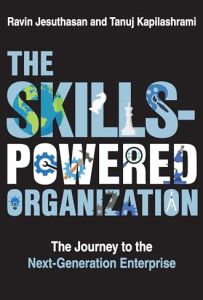
In today’s fast-evolving world of work, organizations and workers alike must prioritize the identification, development, and deployment of employee skills. In this helpful guide, talent management experts Ravin Jesuthasan and Tanuj Kapilashrami provide a framework for a skills-centric approach to talent management and work design that renders companies more agile, resilient, and high-performing. Their detailed case studies demonstrate how to deconstruct jobs into tasks, leverage internal talent marketplaces, and foster a culture of continuous learning as a skills-powered organization.
Summary
About the Authors
Ravin Jesuthasan leads Mercer’s Transformation Services business and contributes to the World Economic Forum. Tanuj Kapilashrami is the chief strategy and talent officer at Standard Chartered Bank.
By the same authors
Learners who read this summary also read
Related Skills

Transformation par l'IA

Tirez parti de l'IA pour les RH

Gérer l'apprentissage et le développement

Gérer les personnes et les talents

Positionner les talents stratégiquement

Faire progresser sa carrière

Carrière

Transformation numérique

Conduire la transformation par l'IA

Activer l'organisation numérique

Création d’entreprise

Direction exécutive

Leadership

Management

Comprendre l'IA

Compétences professionnelles

Nouveaux modèles de travail

Organiser pour l'IA

Utiliser l'IA de façon éthique

Utilisez l'IA de manière éthique en tant que leader

Utilisez l'IA pour le filtrage des candidats

Utilisez l'IA pour l'analyse des données

Guider les équipes à travers la transition vers l'IA

Exploitez les agents IA

Comprendre l'impact de l'IA sur l'apprentissage et la cognition

Exploiter l'IA pour le développement de produits

Utilisez l'IA pour améliorer la communication

Comprendre l'IA générative

Utilisez l'IA pour le suivi des performances

Utilisez l'IA pour la productivité personnelle

Tirez parti de l'IA pour l'expérience client

Avenir du travail

Ressources Humaines

Utilisez l'IA pour le sourcing de talents

Utilisez l'IA avec les connaissances de l'entreprise

Tirez parti de l'IA dans vos tâches quotidiennes

Exploiter l'IA pour la stratégie d'entreprise

Compétences futures

Tirez parti de l'IA pour la gestion

Mettre à jour les compétences des employés

Comprendre l'impact de l'IA sur le travail

Tirer parti de l'IA pour le leadership

Utilisez l'IA pour le coaching et le développement

Utilisez l'IA pour la planification des effectifs

Plan de transformation de la main-d'œuvre AI

Utilisez l'IA pour l'apprentissage et le perfectionnement

Utilisez l'IA pour l'apprentissage et le développement

Utilisez l'IA pour l'appariement des compétences

Comment on this summary