

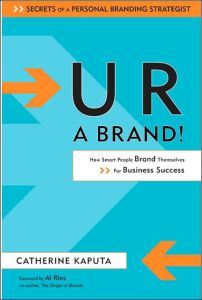
Book
U R a Brand!
How Smart People Brand Themselves for Business Success



Haz clic con el botón derecho del ratón para copiar la imagen.
Nota: En un portal ASP, ¡el enlace del código es específico del portal!
Recommendation
Marketing professionals use the "soft" science of branding to forge an emotional bond between a product or service, and its target market. Branding expert Catherine Kaputa advocates applying the same principles to creating your personal brand. Abundant evidence says that this strategy works. Celebrities, such as Oprah Winfrey and Michael Jordan, have been doing it for years. Now, branding has become important for business professionals. Look no further than Donald Trump or Martha Stewart. You, too, can use branding techniques and principles to evolve from a successful businessperson to a brand. Become just "a little bit famous" to create a circle of influence within your target market. Once Kaputa explains her original concept, the rest of her information easily falls into place – so easily, in fact, that some of her explanations seem self-evident. Even so, if you're seeking new ways to get ahead in a very competitive business world, getAbstract says that this book can tell you how to get yourself branded.
Summary
About the Author
Catherine Kaputa is a self-branding coach and an adjunct professor at New York University Stern School of Business. She has more than 20 years of branding experience, and was senior vice president of branding and advertising for a national investment firm.
By the same author
Learners who read this summary also read
Related Skills

Attirer et recruter des talents

Développer son intelligence émotionnelle

Carrière

Communiquer efficacement

Convertir les prospects

Direction exécutive

Générer et qualifier des prospects

Ressources Humaines

S’auto-diriger

Leadership

Bien vivre

Marketing

Développer ses compétences interpersonnelles

Maîtriser la stratégie marketing

Développement personnel

Planifier stratégiquement

Planifier sa carrière

Vente

Chercher un emploi

Compétences relationnelles

Nouer des relations solides

Créer sa marque employeur

Prendre la parole en public

Identifier ses points forts

Maîtriser le positionnement

Faire une présentation en personne

Renforcer sa présence

Maîtriser le branding

Évaluer ses compétences

Présenter son offre aux prospects

Réseauter stratégiquement

Développer son image de marque

Comment on this summary