
Saltar a navegação
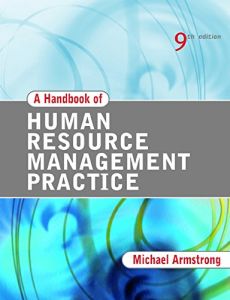
A Handbook of Human Resource Management Practice
Book

A Handbook of Human Resource Management Practice

Kogan Page, 2004
First Edition: 1987 mais...

Buy the book


Editorial Rating

8

getAbstract Rating

  • Applicable

Recommendation

Human resources professionals will find Michael Armstrong’s book practical, helpful and relevant. It discusses all facets of current practice, including such relatively new developments as e-learning, and it discusses how you can help your organization implement change. The book would make an excellent college text, since it covers HRM’s evolution, principles, theories, practice, research, job descriptions and more. The author seems to have two goals: to provide comprehensive information about human resource management and to persuade upper level managers to integrate HRM into strategic planning. This would empower HR departments to generate broader organizational results. To get the most from this manual, given its textbook style, practitioners may wish to study it chapter by chapter. Since organizational philosophies, functions and practices differ, it even lends itself to further discussion when HRM professionals gather to share ideas and swap proven practices. getAbstract thinks those in the field will derive a great deal of value from this book.

Summary

Not Just "Personnel Management"

Human resource management (HRM) is the sum of an organization’s policies, procedures and practices dealing with the recruitment, hiring, retention and development of employees. In some organizations, it may focus only on direct personnel management. However, the theory of Human Resource Management suggests it should be proactive in supporting business goals, solving problems and improving the bottom line. Organizations that agree with this theory make HRM part of strategic planning, but others treat it strictly as a service department. Although HR takes its orders from the executive suite, top managers often seem to believe it has nothing strategic to offer.

When HR is included as a partner in strategic discussions, it can make a significant overall contribution. Among other things, HR can play a vital role in defining the organization’s direction, in identifying and recruiting the people needed to develop it in that direction, in assessing work practices, and in streamlining processes and systems. It can improve customer service, raise morale, lower absenteeism, halt turnover, foster participation, create a better workplace, support...

About the Author

Michael Armstrong has 22 years experience in corporate human resources, having been an executive director at a large publishing firm for 12 years and then head of a HR consultancy division for a major accounting firm. He works as an independent consultant in the HR field, and is the author of numerous related books including A Handbook of Management Techniques, Managing People, How to Be an Even Better Manager, Performance Management and Reward Management.



Comment on this summary

More on this topic

Related Skills

AI Transformation
Atraia e recrute talentos
Seja um aprendiz autônomo
Construa e mantenha o bem-estar
Serviços legais
Inovação
Lidere com ética
Lidere estrategicamente
Tome boas decisões
Manage Learning and Development
Análise do mercado por setor
Domine habilidades interpessoais
Posicione talentos estrategicamente
Competências comportamentais
Compreenda a inovação
Habilidades no ambiente de trabalho
Gerencie a remuneração
Navegue na carreira como mulher
Envelheça bem
Carreira
Identifique lacunas de habilidades
Administre ações disciplinares
Domine a etiqueta empresarial
Estudos de caso de RH
Manage People and Talent
Leverage AI for HR
Melhore a experiência do funcionário
Promova diversidade, equidade e inclusão
Avance na carreira
Compreenda a mudança organizacional
Crescimento pessoal
Liderança
Resolva problemas
Compreenda o aprendizado
Ofereça arranjos flexíveis de trabalho
Entenda a discriminação
Defenda a diversidade
Liderança executiva
Gerencie relações trabalhistas
Navegue na cultura corporativa
Entenda a cultura organizacional
Aja com ética
Utilize tecnologias de RH
Otimize o desempenho da equipe
Molde a cultura organizacional
Realize pesquisas com funcionários
Recursos Humanos
Gerencie mudanças
Gestão
Melhores práticas dos serviços legais
Gerencie equipes e departamentos
Entenda a ética
Melhore o desempenho organizacional
Gerencie talentos
Crie uma estratégia de contratação
Compreenda as organizações
Garanta a conformidade de RH