
Saltar a navegação
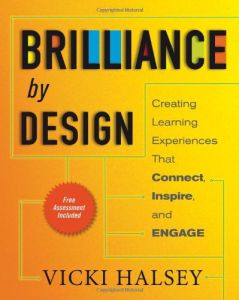
Brilliance by Design
Book

Brilliance by Design

Creating Learning Experiences That Connect, Inspire, and Engage

Berrett-Koehler, 2011 mais...

Buy the book


Editorial Rating

8

getAbstract Rating

  • Applicable

Recommendation

Today’s learners want interactive content rather than traditional lectures. To that end, educator Vicki Halsey outlines her “Brilliance Learning System,” featuring several models that upend traditional methods. She outlines the “70/30 Principle,” which makes students responsible for their own learning. She says students (not teachers) should talk 70% and listen 30% of the time. Teachers should spend 70% percent of their time delivering content and only 30% on content design. Finally, students must practice new skills with 70% of their time after spending 30% learning them. Halsey also gives teachers the “ENGAGE” model for delivering meaningful, real-world content. For example, she urges teachers to create a positive first impression by sending pre-learning information to students before class to get them going. Other techniques for reaching students include using colorful visual aids, playing games and catering to different learning styles. Halsey also applies the model to virtual teaching. Her book is a great how-to manual but needs extra real-world examples, which would make it more interesting to read. getAbstract recommends her insights to teachers, corporate learning officers, coaches and other instructors.

Summary

“The Brilliance Learning System”

Teachers can use the three-part Brilliance Learning System in any educational setting, including traditional classrooms, workshops, speeches and virtual teaching. Its three elements focus on content (what you teach), learners (who you teach) and strategy (how you teach).

The system uses the “70/30 Principle,” which suggests flipping the focus of a traditional classroom, “rebalancing the learning equation and reframing the mind-set of the teacher.” Usually, a teacher stands at the front and lectures, which is only exciting for the teacher. Talking at students bores them, but conversation engages them. This principle says:

  1. Students should “do 70% of the talking and 30% of the listening” – Teachers should talk less and let learners take ownership of their learning.
  2. Teachers should spend 70% of their prep time on “learning design” – They should spend only 30% of their energy on the “content they will teach.” This focuses teachers on delivery goals rather than content development. What core messages do you want students to learn? What activities will solidify crucial...

About the Author

The vice president of Applied Learning at The Ken Blanchard Companies, Vicki Halsey, has 20 years of experience as a teacher and school administrator. She is a writer, speaker and coach.



Comment on this summary

More on this topic

Related Skills

Avance na carreira
Torne-se mais adaptável
Carreira
Develop Team Members
Setor educacional
Melhore a experiência do funcionário
Liderança executiva
Recursos Humanos
Inovação
Lidere com ética
Lidere a si mesmo
Manage Learning and Development
Manage People and Talent
Análise do mercado por setor
Marketing
Domine a colaboração
Domine habilidades interpessoais
Navigate Leadership Challenges
Crescimento pessoal
Competências comportamentais
Strengthen Team Collaboration
Reforce o seu alfabetismo digital
Compreenda a inovação
Compreenda as organizações
Habilidades no ambiente de trabalho
Aceite ser orientado
Atue como coach do pessoal
Implemente o coaching executivo
Melhores práticas do setor educacional
Alavanque a aprendizagem social
Work Remotely
Desenvolva o autodomínio
Compreenda o aprendizado
Tenha reuniões produtivas
Lidere equipes híbridas ou remotas
Pratique a liderança servidora
Comunique-se digitalmente
Comunique-se de forma eficaz
Destaque-se nas conversas
Gerencie o seu impacto como líder
Compreenda a aprendizagem organizacional
Liderança
Cultive uma mentalidade de crescimento
Facilite a ideação em grupo
Permita-se ser vulnerável
Domine o marketing de conteúdo
Domine a oratória
Apresente-se pessoalmente
Crie experiências de aprendizado
Torne-se um mentorado
Colabore virtualmente
Aumente o engajamento dos funcionários
Cultive o hábito de aprender
Seja um aprendiz autônomo
Aplique a gamificação
Promova uma cultura de aprendizagem
Apresente-se virtualmente