


1×
Faça o Login para ouvir o resumo em áudio.



Clique com o botão direito no código para copiar a imagem.
Nota: Em um portal em ASP, o link atrás do código é específico do portal!
Recommendation
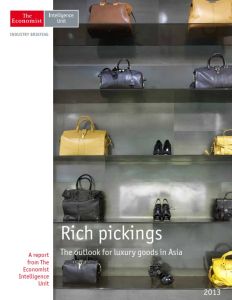
The Economist Intelligence Unit applies its comprehensive reporting and simple, clear style to a detailed overview of the recent past and likely future of Asian demand for luxury goods. As the biggest player in the market, China receives the most attention in this study, which also discusses the luxury markets in India, Malaysia, Singapore and Japan. The report covers a related range of topics, such as Asia’s burgeoning middle class, the threats to high-end purveyors of counterfeit goods and online retail, and the rising consumer powerhouses in India and a variety of smaller but growing national markets. getAbstract recommends this pragmatic summary to anyone doing high-end business in Asia or considering investments in luxury brands or trends.
Summary
About the Author
The Economist Intelligence Unit is an independent research and analysis organization.


Comment on this summary