



扫码即可阅读分享此浓缩书
Recommendation
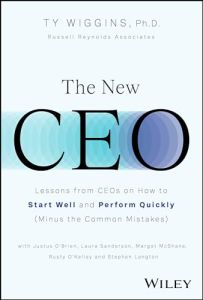
Even decades of leadership experience don’t guarantee a smooth transition to the role of CEO, a job more complex and consequential than any outsider can imagine. Leadership consultant Ty Wiggins warns that first-time CEOs are taking on a complex role that makes them responsible for the welfare of the company, its customers, and its employees and their careers. Drawing on interviews with successful executives, Wiggins offers a handbook of strategies for dealing with immediate challenges in your first few months on the job – including instilling your principles into the company’s ethos, working with the board, and building a leadership team.
Summary
About the Author
Ty Wiggins is the global head of the CEO and Executive Transition Practice at Russell Reynolds Associates.
Learners who read this summary also read
Related Skills

Avance na carreira

Carreira

Comunique-se de forma eficaz

Impulsione o Desempenho da Equipe

Recursos Humanos

Lidere estrategicamente

Liderança

Gestão

Competências comportamentais

Liderança executiva

Tenha sucesso em um novo trabalho

Pratique a Liderança Transformacional

Molde a cultura organizacional

Comunique a estratégia corporativa

Comunique-se estrategicamente

Comment on this summary