
Book
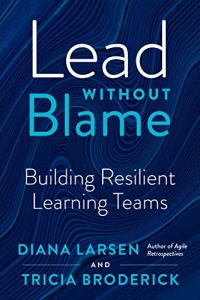
Lead without Blame
Building Resilient Learning Teams


1×
Войдите, чтобы прослушать аудиоверсию краткого изложения.



Щелкнете правой кнопкой мыши на QR-код, чтобы скопировать изображение.
Внимание: на ASP-портале ссылка, представленная QR-кодом, уникальна для каждого корпоративного портала.
Recommendation
Playing the blame game or shaming workers who make mistakes doesn’t solve workplace problems, it creates them. Employees who feel accused or embarrassed become fearful and resentful – or they quit – instead of trying to solve problems. Agile expert Diana Larsen and leadership adviser Tricia Broderick provide a blame- and shame-free approach leaders can use to address issues and move people ahead without acrimony or recrimination. They explain how to put three powerful team motivators – “purpose, autonomy and a team’s shared co-intelligence” – to work. They delve into ways you can minimize conflict and power plays while fostering your team’s learning, resilience and results.
Summary
About the Authors
Diana Larsen is a co-founder, coach, mentor and consultant at the Agile Fluency Project. Tricia Broderick is a leadership adviser and motivational speaker.
Learners who read this summary also read
Related Skills

Лидерство

Содействуйте командной культуре

Эффективно общайтесь

Формируйте культуру инноваций

Управление персоналом

Инновации

Управление обучением и развитием

Софт-скиллз

Придерживайтесь инклюзивности в общении

Поддерживайте социальную инклюзивность

Формируйте культуру обучения

Укрепляйте психологическую безопасность

Сплачивайте команду

Проводите политику разнообразия

Поддерживайте этническую инклюзивность

Проводите политику DEI

Формируйте культуру инклюзивности

Будьте инклюзивным лидером

Comment on this summary