
Перейти к содержанию сайта
The Power of Resilience
Book

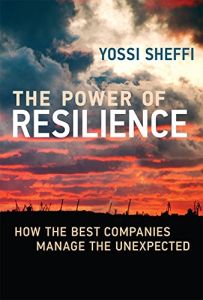
The Power of Resilience

How the Best Companies Manage the Unexpected

MIT Press, 2015 подробнее...

Buy the book


Editorial Rating

8

getAbstract Rating

  • Applicable

Recommendation

Interdependencies within and between national economies make global and national systems – like financial networks or the world’s food chain – increasingly susceptible to disruption. A factory fire in one corner of the globe might create a supply chain domino effect – halting production of finished goods worldwide. MIT engineering instructor Yossi Sheffi warns that a breach of environmental standards by an obscure, deep-tier supplier might threaten the reputation of firms further up the chain. getAbstract recommends his forward-looking overview to leaders and risk managers – especially in large firms – who are building the response capability to deal quickly and effectively with disasters and disruptions.

Summary

Risk

Organizations navigate an increasingly complex and interdependent world. Exports of goods and materials steadily rocket upward. Container ships carrying goods more than doubled their capacity from 1999 to 2013. Materials move between nations as sophisticated computer and communications networks extract inefficiencies from the system, lowering costs while heightening risk.

Risk exists throughout the supply chain. A final product often relies on tiers of providers scattered worldwide. Few end producers have visibility into the workings of their deep-tier suppliers. This leaves them, their customers and the economy vulnerable to natural disaster, acts of sabotage, network failure, labor issues, financial crises, political interference and cyberattack. With scant inventory due to made-to-order practices, a thin margin of error and many “moving pieces,” firms face exposure and risk. The global supply chain binds the world so closely that a large earthquake inflicts almost as much damage 10,000 miles from its epicenter as it does 10 miles away.

Japan, 2011

The 2011 tsunami in Japan caught governments and companies by surprise. A 9.0-level earthquake in...

About the Author

Yossi Sheffi teaches engineering systems at MIT and advises firms and governments on risk and supply chain management.


Comment on this summary

  • Avatar
  • Avatar
    A. U. 6 years ago
    Think out of box
  • Avatar
    M. J. 6 years ago
    Very well explained.
  • Avatar
    G. Y. 6 years ago
    Learned a new aspect of risk management & why preparedness is necessary for future.

More on this topic

Related Skills

AI Transformation
Поддерживайте личное благополучие
Эффективно общайтесь
Корпоративные финансы
Развивайте организацию
Развивайте навыки мышления
Цифровая трансформация
Отрасль авиаракетостроения и ВПК
Пищевая промышленность
Промышленное производство
Добывающая отрасль
Транспортно-логистическая отрасль
Управляйте проектами
Execute Digital Operations
Высшее руководство
Управление персоналом
Внедряйте стратегии ESG
Инновации
Осуществляйте стратегическое руководство
Лидерство
Принимайте оптимальные решения
Руководите людьми в периоды перемен
Управляйте корпоративными коммуникациями
Manage People and Talent
Управляйте операциями цепочки поставок
Менеджмент
Анализ отраслевых рынков
Маркетинг
Navigate Leadership Challenges
Личностный рост
Софт-скиллз
Изучите тему создания инноваций
Изучите тему организаций
Use AI for Production & Supply Chain
Навыки для работы
Use AI for Disruption Monitoring
Управляйте изменениями
Стратегически подходите к инновациям
Устойчивое развитие
Проблемы промышленности
Успешно справляйтесь с неопределенностью
Руководите в периоды кризисов
Освойте стратегическое мышление
Управляйте кризисными коммуникациями
Создайте стратегии адаптации к потеплению
Внедряйте принципы Agility
Govern Compliance and Risk
Повышайте психологическую устойчивость
Изучите тему организационных изменений
Производство и логистика
Проблемы пищевой промышленности
Enhance Cybersecurity
Проблемы добывающей отрасли
Изучите климатические риски
Use AI for Supplier Risk Monitoring
Позитивно принимайте перемены
Управляйте финансовыми рисками
Изучите тему изменения климата
Научитесь адаптироваться к переменам
Решайте в условиях неопределенности
Используйте сценарное планирование
Проблемы авиаракетостроения и ВПК
Проблемы транспортной отрасли
Обеспечьте устойчивость цепочки поставок
Проявляйте организационную амбидекстрию
Преодолевайте трудности
Управляйте климатическими рисками
Управляйте киберрисками
Воспитывайте гибкость
Ведите стратегическое планирование
Управляйте рисками цепочки поставок
Управляйте проектными рисками
Управляйте кризисами
Выявляйте риски в цепочке поставок
Управляйте рисками
Обеспечивайте непрерывность бизнеса