
Skip navigation
Above the Line
Book

Above the Line

How to Create a Company Culture That Engages Employees, Delights Customers and Delivers Results

Wiley, 2014 more...

Buy the book


Editorial Rating

7

getAbstract Rating

  • Applicable

Recommendation

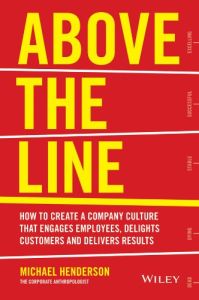
Culture drives everything, and it evolves naturally, but doesn’t have to be random. You can shape your organization’s culture deliberately with the process of “culturing,” and then tend to it carefully. Many leaders ignore culture’s power and instead post meaningless mission statements or issue platitudes about values. Michael Henderson, a corporate anthropologist, applies his considerable experience within organizations to the question of culture. He describes levels of cultures from “dead” and “dying” to “successful” and imbued with excellence. He shows readers how to identify these levels and how to help their organizational culture evolve. Henderson’s guide contains many nuggets of wisdom and excellent advice, though the read can be slow and some sweeping statements would benefit from additional sourcing. getAbstract recommends Henderson’s insight and guidance to leaders across all industries and to all sizes and kinds of companies, including nonprofits.

Summary

Don’t Take Culture for Granted

Culture forms naturally within groups of people without deliberate action on anyone’s part. Yet as a corporate leader, you don’t want to let culture just happen at random. Instead, you can use “culturing” to plan and execute a vision for the right culture for your organization, just as you would plan any other strategy. Culture is your de facto organizational environment – its “process of social interaction.” Culture isn’t how people do things; it’s the reason why. Powerful culture compels people to surrender their self-interest to the organization’s collective mission or purpose.

The deliberate managerial work of culturing acknowledges and addresses various, related aspects of culture that are “mutable, complex, journeying, evolving and perpetually expanding or shrinking.” View your culture from the perspective of your employees, customers and other stakeholders. They can honor your organization’s culture, reject it, or accept your culturing initiatives, changes of command and fresh strategy – depending on their notions of your culture and the values and beliefs they share with it. If, for example, your culture goes against the reasons...

About the Author

Cultural anthropologist Michael Henderson studies corporate cultures just as social scientists study tribal cultures. Henderson has written several books about this specialty.



Comment on this summary

  • Avatar
  • Avatar
    T. G. 1 decade ago
    On my door in my office is a sign that states "ABOVE THE LINE"-we are branding above the line culture and have been doing so for many years. It does promote better leaders, a better environment and a better culture.
  • Avatar
    M. S. 1 decade ago
    Summary reminds me that I need to ensure I am hiring the right people for the mission of my organization and department..... I like how the author describes each culture and see elements of each in places I have worked.
  • Avatar
    A. M. 1 decade ago
    Sometimes we forget how important cutlure is to achieving our goals. In order for an organization to be successful, it needs to insure that its culture is aligned with its strategy. This summary gives good ideas on how to ensure that happens.

More on this topic

Related Skills

吸引和招聘人才
提升情商
变得更加适应变化
建立和维护福祉
职业发展
有效沟通
Develop Team Members
发展组织
数字化转型
人力资源案例研究
Enable Digital Organization
Enhance Cybersecurity
创业
Execute Digital Operations
高管领导力
人力资源
创新
以德领导
引领运营规划
战略性领导
领导力
管理企业沟通
Manage Learning and Development
Manage People and Talent
管理团队和部门
管理
市场营销
精通协作
精通人际关系技巧
个人成长
制定战略规划
规划职业生涯
促进多样性、公平与包容
销售
软技能
Strengthen Team Collaboration
可持续
理解组织运作
职场技能
精通品牌建设
定义使命、愿景与目标
制定销售计划和战略
理解文化差异
推进职业发展
适应职场文化
练习自我关怀
设定职业目标
实施 ESG 战略
有意图地生活
传达公司战略
高效会议
Practice Transformational Leadership
培养成长型思维
制定商业计划
提升组织绩效
促进开放沟通
了解自我
改善心理健康
制定企业传播内容
促进代际包容
理解组织文化
发展自我掌控力
制定招聘策略
营造归属感
激励自己
建立团队凝聚力
培养创新文化
勇于脆弱
促进小组创意
领导自我
将战略转化为行动
培养他人责任感
管理领导影响力
发现文化趋势
精通内容营销
组织文化案例研究
寻找意义
包容性领导
健康生活
管理员工关系
倡导多样性
推动学习文化
跨文化沟通
传达企业使命
培养团队成员
激励团队
Build Digital Culture
利用员工资源小组
设定商业目标
实践服务型领导
精通营销策略
发展自我意识
推动员工参与度
保障员工福祉
Build Security Culture
定义核心价值观
促进族裔包容
Foster Team Culture
建立包容性文化
推动持续改进
提高文化意识
建立心理安全感
Drive Team Performance
战略沟通
提升客户导向
提升员工体验
塑造组织文化