
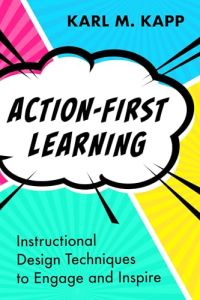
Book
Action-First Learning
Instructional Design Techniques to Engage and Inspire



摘要提供范围:全球
扫码即可阅读分享此浓缩书
Recommendation
Instructional design professor Karl M. Kapp advocates action-first learning that immediately engages learners in applying new skills and knowledge. In keeping with the action-first theme, each of the book’s sections — focused on live interaction, card and board games, escape rooms, comics, “branching scenarios,” AI coaches, and immersive technology — provides practical steps and sample AI prompts to help designers start creating experiences right away. Extensive tips for accessibility ensure options for learners of all backgrounds and abilities.
Summary
About the Author
Professor of instructional design and technology Karl M. Kapp is a prolific author, speaker, and course developer who advocates the gamification of learning.
By the same author
Learners who read this summary also read
Related Skills

人工智能转型,实施基于人工智能的流程优化,跨部门整合人工智能解决方案,评估企业采用人工智能的准备情况

人力资源

领导力

利用人工智能进行人力资源管理,将人工智能洞察融入人力资源战略,实施自动化人力资源数据分析系统,利用人

利用人工智能提升领导力,将人工智能洞察融入领导决策,使用人工智能工具增强领导战略,通过人工智能分析推

管理学习与发展,制定企业学习战略,管理员工学习路径,评估团队的发展需求,优化学习资源分配,评估培训项

打造学习体验

利用人工智能进行学习与发展,将人工智能工具整合到培训项目中,通过人工智能洞察提升员工成长,利用人工智

使用人工智能进行辅导和发展,将人工智能融入个人发展计划,利用人工智能识别成长机会,在员工辅导中应用人

Comment on this summary