



1×
Melden Sie sich an, um die Audiozusammenfassung anzuhören.



摘要提供范围:全球
Klicken Sie mit der rechten Maustaste auf den Code, um das Bild zu kopieren.
Hinweis: Bei ASP-Portalen ist der Link hinter dem Code portalspezifisch!
Recommendation
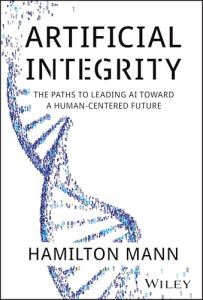
The AI revolution has elicited a range of predictions: Doomsayers expect the machines to take over; optimists foresee a better world, where AI models enhance human skills and well-being. In this guidebook, tech executive Hamilton Mann argues that a beneficial outcome for humanity hinges on ensuring “artificial integrity”: creating frameworks for AI development that result in outcomes that support human values and goals. He calls for readers to embrace the possibilities for individual and social improvements via artificial intelligence while also building appropriate guardrails.
Summary
About the Author
Hamilton Mann is a tech executive, Digital for Good pioneer, keynote speaker, and the originator of the concept of artificial integrity. Mann serves as group vice president responsible for AI and digital transformation initiatives at Thales.
Learners who read this summary also read
Related Skills

人工智能转型,实施基于人工智能的流程优化,跨部门整合人工智能解决方案,评估企业采用人工智能的准备情况

职场技能

推动人工智能转型,在各部门实施人工智能转型,协调与利益相关者的人工智能倡议,监督人工智能技术的整合,

在日常任务中利用人工智能,将人工智能工具整合到工作流程中,使用人工智能自动化重复性任务,利用人工智能

高管领导力

人力资源

领导力

管理

理解人工智能,向同事解释基本的人工智能概念,区分人工智能与传统软件解决方案,总结人工智能在现代工作场

选择人工智能优先事项,确定人工智能关注的关键领域,决定人工智能项目的重要性,有效优先排序人工智能倡议

利用人工智能代理,将人工智能代理集成到日常工作流程中,利用人工智能代理进行任务管理,使用人工智能代理

利用人工智能进行管理,将人工智能工具整合到管理流程中,使用人工智能分析管理数据,利用人工智能增强团队

使用人工智能进行流程优化,利用人工智能自动化重复性工作流程,提升运营效率,通过人工智能解决方案减少流

推动团队的人工智能采纳,鼓励团队对人工智能工具的认同,解决团队对人工智能实施的担忧,培训团队掌握新的

建立人工智能治理,定义人工智能治理政策,实施人工智能伦理指南,评估人工智能风险管理流程,设计人工智能

了解人工智能风险,识别商业中的人工智能风险因素,评估人工智能故障的影响,评估人工智能系统中的潜在偏见

使用人工智能进行技能匹配,利用人工智能算法进行技能对齐,运用人工智能技术匹配员工技能,整合人工智能工

使用人工智能结合公司知识,将人工智能与内部数据源整合,为特定公司需求定制人工智能工具,使用专有公司信

使用人工智能进行人力资源规划,实施人工智能解决方案于人力资源规划,利用人工智能分析人力资源数据,使用

理解人工智能的伦理影响,导航人工智能开发中的伦理考虑,评估人工智能对数据隐私的影响,预见人工智能算法

利用人工智能制定商业战略,战略性地将人工智能融入商业计划,制定以人工智能驱动的企业战略,评估人工智能

利用人工智能提升领导力,将人工智能洞察融入领导决策,使用人工智能工具增强领导战略,通过人工智能分析推

利用人工智能进行人力资源管理,将人工智能洞察融入人力资源战略,实施自动化人力资源数据分析系统,利用人

利用人工智能进行学习和技能提升,寻找员工培训的人工智能工具,将人工智能融入学习计划,利用人工智能进行

引导团队顺利过渡到人工智能,促进团队适应人工智能工具,准备员工迎接人工智能驱动的角色,管理对人工智能

为人工智能组织,建立以人工智能为中心的组织结构,设计人工智能整合的工作流程,实施人工智能项目的团队结

规划人工智能劳动力转型,设计人工智能劳动力过渡路线图,评估团队的人工智能准备情况,评估当前人工智能岗

理解人工智能对工作的影响,评估人工智能对日常任务的影响,评估人工智能驱动的工作场所变化,识别人工智能

作为领导者,伦理地使用人工智能,驾驭人工智能领导中的伦理挑战,确保伦理的人工智能部署决策,优先考虑人

以德驾驭 AI

Comment on this summary