跳过导航
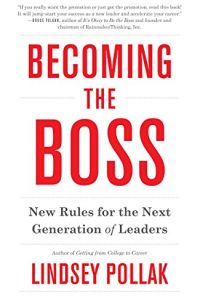
Becoming the Boss
Book

Becoming the Boss

New Rules for the Next Generation of Leaders

HarperBusiness, 2014 更多详情

Buy the book


Editorial Rating

6

getAbstract Rating

  • Applicable
  • Well Structured
  • Concrete Examples

Recommendation

Lindsey Pollak, an expert on millennials, tells members of the latest working generation how to manage their careers and how to make the difficult transition from employee to supervisor. Millennials (also known as Generation Y, born between 1982 and 2000) approach work differently than many older workers. Millennials regard technology as integral to their lives. They understand promoting and “branding” themselves, especially online. Pollak’s leadership readiness advice includes developing essential skills – listening effectively, managing time, running meetings, delegating, networking, and more. Her comprehensive manual, which follows her first book, Getting from College to Career, is a handy resource, but it runs long and could use more perspectives from young managers. getAbstract recommends her advice to current and aspiring millennial managers and to managers from other generations who want to understand them better.

Summary

The Millennial Generation: Getting to Know Y

Millennials – Generation Y – will make up half of the US workforce by 2020. Born between 1982 and 2000, millennials are self-expressive, technologically savvy, group-oriented and diverse. While Gen Y’s 80 million people make up the largest section of the US workforce, its members may face “millennial shaming” from older employees who consider them entitled and too much in need of constant feedback or validation.

The older generations include traditionalists – born from 1922 to 1945; baby boomers – born from 1946 to 1964; and Generation X – born from 1965 to 1981. Traditionalists are loyal, cautious, frugal and risk-averse. Their kids, the baby boomers, challenged the status quo; they’re optimistic, youthful and fun-loving. Baby boomers grew up in an era of rock ’n’ roll, free love, civil rights and women’s liberation. Generation Xers are independent, self-sufficient and technologically adept. Many Xers grew up as “latchkey kids” and looked after themselves because their parents worked long hours or were divorced. Overall, traditionalists and Generation Xers are more cautious, while baby boomers and members of Generation ...

About the Author

Lindsey Pollak is a speaker, writer and consultant specializing in Generation Y. Pollak also wrote Getting from College to Career: Your Essential Guide for Succeeding in the Real World.


Comment on this summary

More on this topic

Related Skills

推进职业发展
AI Transformation
提升情商
职业发展
转化潜在客户
Develop Team Members
Drive Team Performance
高管领导力
培养创新文化
生成和筛选潜在客户
人力资源
创新
以德领导
战略性领导
Leverage AI for Leadership
管理
精通协作
个人成长
促进多样性、公平与包容
销售
塑造组织文化
Strengthen Team Collaboration
建立客户关系
传达公司战略
职场技能
Use AI to Enhance Communication
调整沟通风格
改善心理健康
练习自我关怀
保持真实
高效分配任务
建立自信
管理员工关系
展现同理心与关怀
建立和维护福祉
避免拖延
领导自我
指导员工
应对职场政治
培养自律意识
有意图地生活
Navigate Leadership Challenges
谦逊为人
管理个人声誉
精通公共演讲
激励团队
跨文化沟通
擅长对话
精通人际关系技巧
Manage People and Talent
提出问题
建立心理安全感
非言语沟通
管理上级
健康生活
善于倾听
包容性沟通
管理领导影响力
战略沟通
促进讨论
Foster Team Culture
应对困难对话
促进开放沟通
管理压力
勇于脆弱
理解沟通
清晰表达
在新职场取得成功
建立强大关系
领导力
提高工作效率
透明沟通
管理团队沟通
Practice Transformational Leadership
求职
精通优先级管理
成为学员
设定边界
管理时间
构建个人影响力
软技能
实践服务型领导
有效沟通
保持工作与生活平衡
打造个人品牌
战略性拓展人脉