
跳过导航
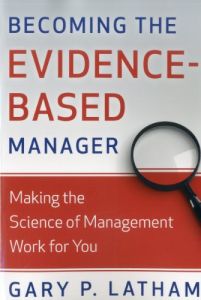
Becoming the Evidence-Based Manager
Book

Becoming the Evidence-Based Manager

Making the Science of Management Work for You

Nicholas Brealey Publishing, 2011 更多详情

Buy the book


Editorial Rating

8

getAbstract Rating

  • Applicable

Recommendation

Leadership by instinct might work in some cases with naturally charming, supportive managers. However, techniques that work for such intuitive executives won’t necessarily work for everyone else. In contrast, “evidence-based management” uses scientifically proven methods all managers can employ to help staff members reach their highest potential. At least that’s the premise organizational psychologist Gary P. Latham puts forth in this extremely well-thought-out, superbly organized management methodology for hiring, training, motivating and evaluating employees. While his evidence-based processes are all sound managerial tactics, you’ll see a strong resemblance to anecdotal approaches – only with better backing. getAbstract recommends this readable, practical handbook to anyone who manages other people.

Summary

Art Versus Science

A common misconception holds that good leadership skills are innate. Not so. Managing people is difficult, and instinct and experience do not provide all the answers. Unfortunately, many experts concentrate their advice on the art of management, offering counsel that doesn’t translate easily from one situation to another. However, the science of management, called “evidence-based management,” provides a set of skills you can learn, master and use across a variety of circumstances. Extensive research proves that these universal methods for hiring, coaching, motivating and evaluating employees deliver outstanding results. Scientifically, that means you can rely on the following six tested, evidence-based management lessons for lining up the right people, fulfilling your strategy, training, motivating, building workforce resiliency and coaching:

1. “Use the Right Tools to Hire High-Performing Employees”

Without people who can perform superbly in a variety of situations in spite of daily difficulties and chaos, even well-crafted strategies will fail. Finding the best person for each job is not easy. Most interviewers conduct unstructured conversations...

About the Author

Gary P. Latham is a professor of organizational effectiveness at the University of Toronto, an award-winning researcher and an organizational consultant.


Comment on this summary

More on this topic

Related Skills

推进职业发展
AI Transformation
发挥创意
成为自驱学习者
建立自信
职业发展
有效沟通
制定商业计划
开发创新产品
发展组织
数字化转型
Drive AI Transformation
Enhance Cybersecurity
创业
Execute Digital Operations
培养创新文化
人力资源
战略性创新
创新
以德领导
引领运营规划
战略性领导
Leverage AI for HR
Leverage AI for Leadership
Leverage AI for Management
健康生活
做出明智决策
管理企业沟通
Manage Learning and Development
市场营销
制定销售计划和战略
制定战略规划
促进多样性、公平与包容
销售
求职
塑造组织文化
职场技能
进行员工调查
领导力
发挥自身优势
管理团队和部门
指导员工
管理员工关系
建立团队凝聚力
寻找意义
建立雇主品牌
培养领导者
克服自我怀疑
个人成长
承担个人责任
管理压力
招聘多元化人才
设定团队目标
促进讨论
精通协作
推动员工参与度
提高工作效率
培养自律意识
设定并达成目标
解决问题
激励自己
谦逊为人
推动持续改进
应对职场政治
高管领导力
领导自我
保持真实
拥抱智慧型失败
Use AI for Performance Tracking
变得更加适应变化
培养团队成员
优化劳动力绩效
定义核心价值观
从反馈中学习
提升情商
提升组织绩效
展现同理心与关怀
了解自我
Use AI for Candidate Screening
拥抱变革
理解人类行为
理解动机
成为学员
培养灵活性
危机中领导
Drive Team Performance
科学思维
愿意接受指导
练习正念
Use AI for Talent Sourcing
Build Security Culture
处理棘手人际关系
提升员工体验
培养他人责任感
精通人际关系技巧
定义产品愿景
利用社交学习
管理绩效
激励团队
理解团队动态
建立和维护福祉
Work Remotely
促进容错文化
Use AI for Workforce Planning
发展自我意识
实施高管辅导
管理变革
Drive AI Adoption in Teams
面试成功技巧
发展思维能力
应对不确定性
勇于脆弱
提供反馈
战略性安置人才
设定边界
设定绩效标准
改善心理健康
管理领导影响力
软技能
支持团队成员的职业发展
Foster Team Culture
管理
应用游戏化手段
培养积极心态
做出最终招聘决策
包容性领导
实践服务型领导
营造归属感
管理员工才能
高效分配任务
Navigate Leadership Challenges
Use AI for Coaching and Development
发展自我掌控力
定义使命、愿景与目标
增强团队敏捷性
战略沟通
鼓励实验精神
Strengthen Team Collaboration
实施辅导项目
管理销售团队
管理情绪
评估员工
吸引和招聘人才
Manage People and Talent
培养成长型思维
进行候选人面试
评估候选人
Develop Team Members
传达企业使命
将战略转化为行动
建立心理安全感
拥抱挑战
Practice Transformational Leadership
推动学习文化
传达公司战略
变革中领导
提升团队表现
制定招聘策略
建立共同愿景
进行绩效评估
培养毅力
提升韧性
克服挑战