
加入 getAbstract 阅读摘要
加入 getAbstract 阅读摘要
Dade Hayes and Dawn Chmielewski
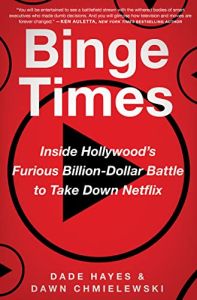
Binge Times
Inside Hollywood's Furious Billion-Dollar Battle to Take Down Netflix
William Morrow, 2022
看看什么内容?
Streaming transformed entertainment, and – despite intense competition – pioneer Netflix stayed on top.


摘要提供范围:全球
Recommendation
As Netflix moves to acquire Warner Bros., this look at how it grew, written by Dade Hayes and Dawn Chmielewski, takes readers back to its beginnings. The onset of the coronavirus pandemic and its attendant stay-at-home orders made streaming movies and television shows not just a convenient diversion but a helpful advantage. By the time of the pandemic, Netflix had already spent a decade transforming the entertainment industry, and it had become the default streaming service. However, rivals such as Hulu were already operating, and new ones were emerging. By the fall of 2019, Apple, Amazon, Disney, WarnerMedia, HBO, and NBCUniversal all had subscription streaming services in the wings. These competitors and more are now active, streaming has boomed, and Netflix has thrived along with it.
Summary
About the Authors
Dade Hayes is the business editor for Deadline Hollywood. Dawn Chmielewski is the US entertainment business correspondent for Reuters.

Comment on this summary