跳过导航
Emotional Intelligence for Managing Results in a Diverse World
Book

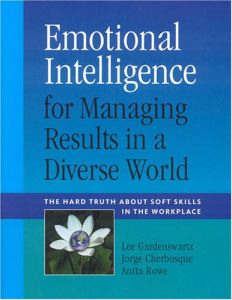
Emotional Intelligence for Managing Results in a Diverse World

The Hard Truth about Soft Skills in the Workplace

Davies-Black Publishing, 2008 更多详情

Buy the book


Editorial Rating

7

getAbstract Rating

  • Applicable

Recommendation

Feelings and emotions affect how people perform their jobs, of course, and shape the tenor of their workplaces. The impact and applicability of emotional intelligence (EI) at work is well established. If you’re ready for a more focused treatment, Lee Gardenswartz, Jorge Cherbosque and Anita Rowe offer this manual about the use of EI in working with and managing all kinds of people. They submit that dealing with human differences triggers a variety of emotions, many of which are counterproductive. They provide a four-part “Emotional Intelligence and Diversity Model” to help managers handle their emotions – and their diverse employees – effectively. The book includes an assortment of exercises, charts and quizzes to help raise your emotional intelligence. getAbstract finds that this quite specific guide is very useful for managers, particularly less experienced ones, whose workplaces present diversity challenges.

Summary

“Feelings, Nothing More Than Feelings...”

Your feelings are an essential part of who you are. That doesn’t change at work, where feelings affect performance. In fact, your emotions supply the fuel that drives your energy, enthusiasm and inspiration. However, emotions also can be a source of anger and frustration. If not managed properly, they can cause problems in your workplace.

Those who cope best with their emotions have well-developed emotional intelligence (EI), “the ability to understand and deal with feelings, both your own and those of others, in a healthy and constructive way.”

Feelings are your body’s way of telling you that something significant is happening. Suppressing them has negative consequences. Unexpressed feelings may cause dysfunctional behaviors, including anxiety, depression or substance abuse. Unfortunately, societal expectations condition many people from early childhood to disregard their feelings. Just think of common phrases like “chill out,” “big boys don’t cry” or “keep a stiff upper lip.” Unacknowledged emotions can still influence behavior; to be able to manage your feelings, you first have to recognize them.

Emotional Intelligence...

About the Authors

Lee Gardenswartz, Ph.D., is a diversity trainer and a principal in a management consulting company. Anita Rowe, Ph.D., is a diversity consultant and partner in the Emotional Intelligence and Diversity Institute. She and Gardenswartz also published Managing Diversity and the Global Diversity Desk Reference. Jorge Cherbosque, Ph.D., teaches at the Anderson School of Management at UCLA and is co-director of the staff Counseling and Consulting Center.



Comment on this summary

More on this topic

Related Skills

建立自信
Drive Team Performance
提升员工体验
培养创新文化
Foster Team Culture
人力资源
创新
以德领导
健康生活
做出明智决策
管理绩效
管理
促进多样性、公平与包容
增强数字素养
理解组织运作
职场技能
Understand Organizational Behavior
理解社会行为
展现同理心与关怀
发展思维能力
擅长对话
促进族裔包容
促进代际包容
理解团队动态
提升韧性
创造性协作
有效沟通
高管领导力
管理变革
解决问题
理解微侵犯
Manage People and Talent
促进神经多样性包容
发挥创意
促进协作
塑造组织文化
发现文化趋势
承担个人责任
培养积极心态
处理棘手人际关系
影响他人
克服冒充者综合症
推动创造力
应对微侵犯
成为自驱学习者
个人成长
构建个人影响力
理解人类行为
有意图地生活
管理压力
管理领导影响力
Navigate Leadership Challenges
练习正念
理解无意识偏见
促进小组创意
克服自我怀疑
领导力
改善心理健康
应对不确定性
理解人格类型
虚拟协作
促进讨论
提高文化意识
换位思考
变得更加适应变化
缓解认知偏差
倡导多样性
愿意接受指导
精通协作
应对困难对话
应对职场政治
克服挑战
识别社交线索
设定边界
培养自律意识
变革中领导
调整沟通风格
勇于脆弱
实践服务型领导
保持真实
培养成长型思维
寻找意义
Practice Transformational Leadership
建立心理安全感
建立和维护福祉
谦逊为人
Strengthen Team Collaboration
了解自我
理解沟通
发现全球视角
领导自我
理解情绪
发展自我掌控力
软技能
理解组织文化
跨部门协作
提升情商
管理情绪
发展自我意识
适应职场文化
精通人际关系技巧
跨文化沟通
理解文化差异