




Right-click on the code to copy the image.
Note: On an ASP portal, the link behind the code is portal specific!
Recommendation
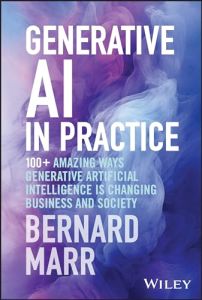
Generative AI has the potential to transform your everyday life experience dramatically as its use expands across sectors. As futurist Bernard Marr warns, while GenAI can give your company a competitive edge, it can also cause unintended harm — both on a collective societal level and on an organizational level. Marr’s insights will deepen your understanding of GenAI’s potential risks and benefits as he explains how it’s poised to disrupt industries ranging from healthcare to software development. Marr conjures multiple future possibilities, some dystopian and some hopeful, and urges readers to harness GenAI’s potential for good. He calls for a cultural shift toward embracing GenAI in a way that inspires innovation, openness, and collaboration.
Summary
About the Author
Futurist Bernard Marr is the best-selling author of multiple books, including Artificial Intelligence in Practice, Tech Trends in Practice, and Future Skills. He’s also a strategic advisor to governments and corporations.
By the same author
Learners who read this summary also read
Related Skills

发现人工智能的应用案例,识别商业中潜在的人工智能应用,探索人工智能在工作场所改进中的可能性,分析人工

创业

领导力

利用人工智能进行营销,识别营销中的人工智能应用机会,评估用于营销洞察的人工智能工具,比较用于营销任务

利用人工智能进行产品开发,识别产品创作的人工智能工具,将人工智能整合到产品生命周期中,利用人工智能洞

在日常任务中利用人工智能,将人工智能工具整合到工作流程中,使用人工智能自动化重复性任务,利用人工智能

市场营销

理解人工智能,向同事解释基本的人工智能概念,区分人工智能与传统软件解决方案,总结人工智能在现代工作场

职场技能

使用人工智能进行原型设计,实施人工智能于原型设计过程,利用人工智能工具进行快速原型制作,探索人工智能

发现客户体验的人工智能供应商,识别改善客户体验的人工智能解决方案,评估专注于客户体验解决方案的人工智

使用人工智能进行客户旅程映射,整合人工智能于客户旅程映射中,利用人工智能优化客户接触点,借助人工智能

理解人工智能对工作的影响,评估人工智能对日常任务的影响,评估人工智能驱动的工作场所变化,识别人工智能

建立人工智能治理,定义人工智能治理政策,实施人工智能伦理指南,评估人工智能风险管理流程,设计人工智能

了解人工智能对社会的影响,评估人工智能对社会结构的影响,评估人工智能对公共政策的影响,认识人工智能在

使用人工智能进行编码和调试,利用人工智能自动化重复的编码任务,使用人工智能工具识别代码错误,整合人工

推动团队的人工智能采纳,鼓励团队对人工智能工具的认同,解决团队对人工智能实施的担忧,培训团队掌握新的

利用人工智能提升领导力,将人工智能洞察融入领导决策,使用人工智能工具增强领导战略,通过人工智能分析推

安全使用人工智能,确保人工智能安全合规,保护敏感数据,安全管理人工智能访问,降低人工智能安全风险,确

发现法律服务中的人工智能应用案例,识别法律任务的人工智能解决方案,利用人工智能自动化文档审查,提升合

使用人工智能进行活动个性化,利用人工智能个性化优化活动,使用人工智能洞察定制营销信息,利用人工智能技

利用人工智能生成创意,使用人工智能工具进行头脑风暴,利用人工智能算法增强创造力,利用人工智能生成新产

了解生成性人工智能,识别生成性人工智能机会,探索生成性人工智能的应用,生成性人工智能在商业中的案例研

发现零售行业中的人工智能应用案例,实施人工智能以优化零售供应链,利用人工智能优化零售定价,提升客户体

作为领导者,伦理地使用人工智能,驾驭人工智能领导中的伦理挑战,确保伦理的人工智能部署决策,优先考虑人

推动人工智能转型,在各部门实施人工智能转型,协调与利益相关者的人工智能倡议,监督人工智能技术的整合,

引导团队顺利过渡到人工智能,促进团队适应人工智能工具,准备员工迎接人工智能驱动的角色,管理对人工智能

人工智能转型,实施基于人工智能的流程优化,跨部门整合人工智能解决方案,评估企业采用人工智能的准备情况

为人工智能组织,建立以人工智能为中心的组织结构,设计人工智能整合的工作流程,实施人工智能项目的团队结

使用人工智能进行客户服务自动化,利用人工智能自动回复服务,集成人工智能聊天机器人以支持任务,使用人工

了解人工智能风险,识别商业中的人工智能风险因素,评估人工智能故障的影响,评估人工智能系统中的潜在偏见

理解人工智能的伦理影响,导航人工智能开发中的伦理考虑,评估人工智能对数据隐私的影响,预见人工智能算法

以德驾驭 AI

利用人工智能提升客户体验,增强客户参与度,利用人工智能工具个性化客户互动,使用人工智能自动分析客户反

Comment on this summary